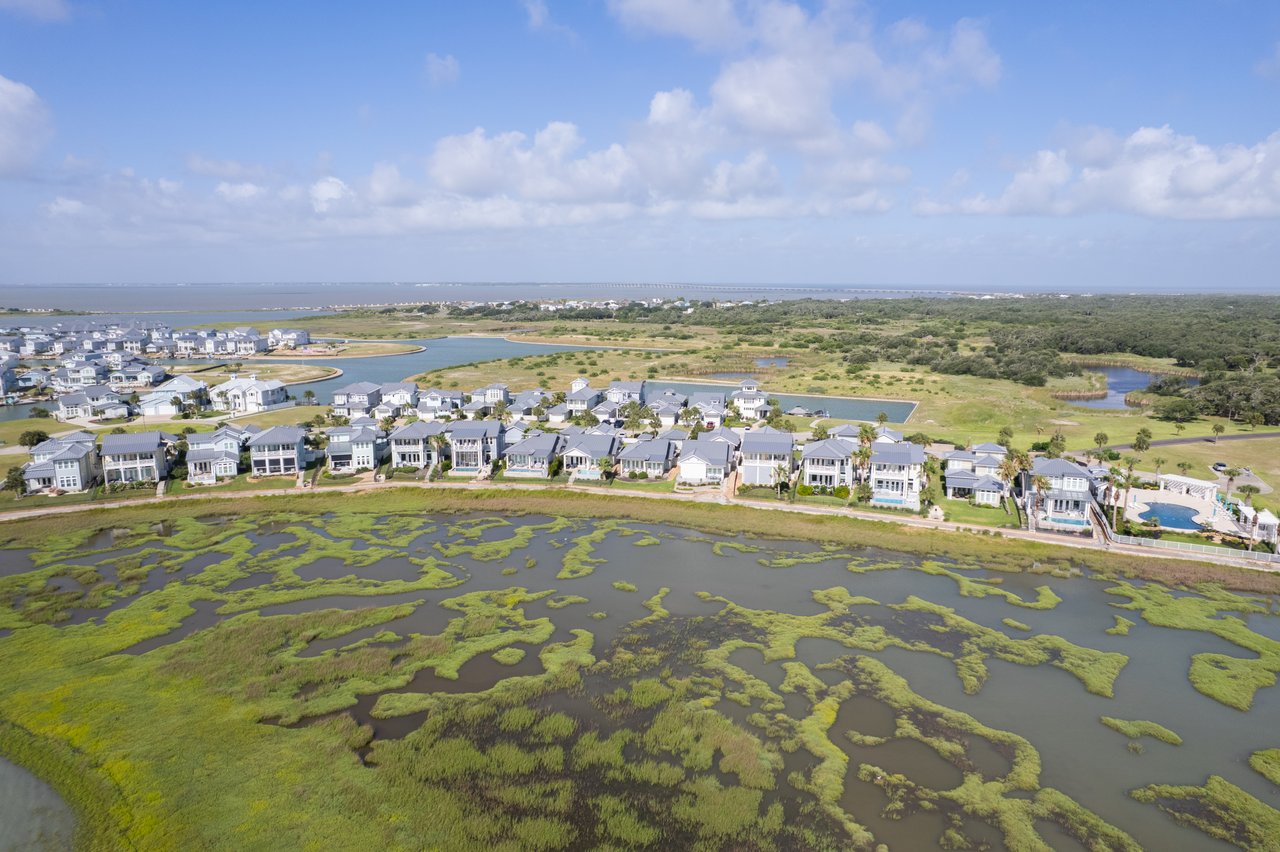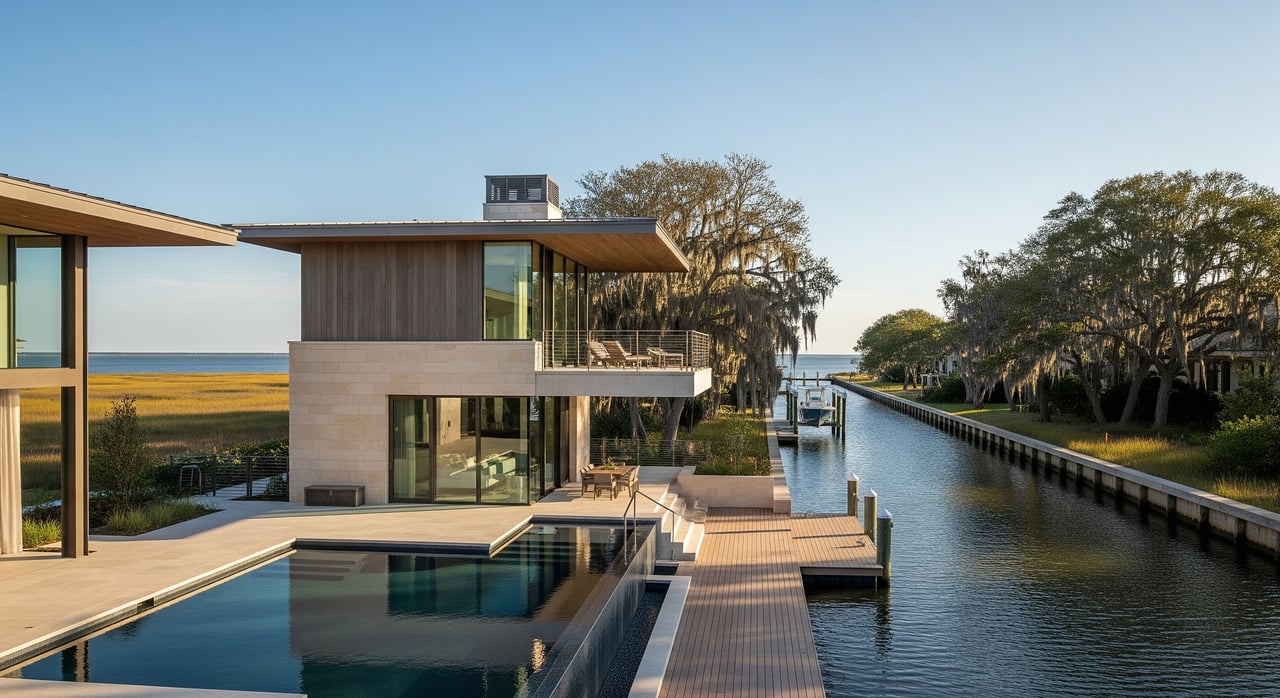
Is your perfect day stepping onto a dock with coffee in hand, or easing a kayak into calm, protected water? If you are eyeing The Reserve in 78382, you have two standout choices for waterfront living: bayfront and canal-front. Each delivers a different rhythm of life on the Texas Coastal Bend, and the right fit comes down to how you boat, what views you crave, and how you balance maintenance and risk.
This guide breaks down the real differences, what to verify before you buy, and a simple checklist to help you move forward with confidence. Let’s dive in.
Quick take: Which fits your lifestyle?
Bayfront is often best if you:
- Want the fastest route to open water and offshore fishing.
- Value wide, unobstructed views and dramatic sunrises or sunsets.
- Are comfortable with more exposure to wind, waves, and potential storm surge.
- Can budget for seawall or bulkhead upkeep and possibly higher insurance.
Canal-front is often best if you:
- Prefer sheltered, calmer water for docking, paddling, and relaxing.
- Want a more private, intimate setting with homes across the canal.
- Can accept that access to the open bay may take longer and require navigating narrow turns or shallower sections.
- Want to trade wave exposure for potential HOA involvement in canal maintenance.
Boating access and navigation
Bayfront homes typically give you the most direct path to Corpus Christi Bay and the Gulf. If you run a larger boat or want quick access to deep water, bayfront is a strong match. Canal-front living often shines for small boats, bay boats, kayaks, and paddleboards. You will likely enjoy calmer water at your dock, but you should plan for canal routes, possible fixed bridges, and shallow spots.
What to verify before you fall in love:
- Charted and typical depths near the property and along the route to open bay.
- Whether the dock can support a boat lift and the type of vessels allowed.
- Bridge clearances and travel time from the lot to open water.
- Any HOA or neighborhood rules that affect boat types, dock size, or lifts.
Views, privacy, and daily life
Bayfront properties often deliver expansive, horizon-level views that drive long-term appeal for view-focused buyers. You may enjoy a front-row seat to changing skies and wildlife on open water. Canal-front settings are more intimate, with closer neighbors across the way and a ring-side view of easygoing boat life. Traffic can pass by in the canal, but the water is typically calmer, which many owners prefer for daily use.
Weather, surge, and erosion exposure
Coastal homes in Aransas County experience hurricanes, tropical storms, and tidal flooding. Bayfront lots are generally more exposed to wind-driven waves and storm surge. Canal-front lots can also flood from surge moving through the canal system and from back-flooding, depending on elevation and infrastructure.
Key checks for any waterfront lot in 78382:
- FEMA flood zone and base flood elevation for the specific property.
- Local storm surge history and elevation compared to nearby events.
- Evidence of shoreline movement or erosion and the condition of any seawall or bulkhead.
Insurance snapshot
Most coastal properties near the bay will require flood insurance and a windstorm policy. Many owners secure flood coverage through NFIP and wind coverage through Texas Windstorm Insurance Association or private carriers. Premiums depend on flood zone, elevation, construction type, and claims history. A local coastal insurance agent can help you compare options and expected costs for your specific property.
Maintenance, bulkheads, and canal dredging
On the bayfront, expect to evaluate seawalls or bulkheads. Protecting the shoreline is critical, and repair or replacement can be costly. On canal-front lots, maintenance can look different. Shoaling can reduce canal depth over time and affect boat use and property value. Dredging and canal upkeep may be handled by the HOA, shared by owners, or fall to individual lot owners, depending on the recorded covenants.
What to confirm before you buy:
- Who owns and maintains the seawall, dock, and canal behind the lot.
- Any upcoming special assessments for seawall repair or canal dredging.
- Prior permits, repair records, and dredging history.
- Dock and lift condition, plus any recent engineering reports.
Permits, public trust, and dock rights
Texas treats many coastal submerged lands and tidal shorelines as state-owned. That can affect where property lines stop and what you can build over the water. Docks, piers, bulkheads, and similar structures that extend into navigable waters often require approvals or leases. In addition to local permitting, you may encounter Texas General Land Office requirements and approvals that involve other agencies.
What to verify for your lot at The Reserve:
- Clear survey with the mean high tide or high-water line marked.
- Copies of all dock, bulkhead, or seawall permits and any state leases.
- Whether existing structures were permitted and inspected.
- Any limits on dock size, boat type, or lift installations contained in HOA documents.
Resale and marketability
As a rule, bayfront commands a premium because of views and direct access. Canal-front can be more attainable and attract buyers who value protected water, easier docking, and a quieter setting. Resale strength for either option depends on how you manage risk and maintenance. Visible seawall issues, shoaled canals, unclear dock rights, or high insurance costs can reduce buyer confidence. Clean documentation, a well-maintained shoreline, and clear boating access typically support pricing power.
Buyer due diligence checklist for The Reserve
Gather these items early to avoid surprises and keep your transaction smooth:
- Current plat and legal description for the lot.
- Recent, certified survey showing the high-water line and all improvements.
- HOA or POA covenants, bylaws, budget, recent minutes, and any special assessments.
- Permits and approvals for the dock, seawall, bulkhead, and any state leases.
- Elevation Certificate and FEMA flood zone designation for the structure.
- Tax history from the Aransas County Appraisal District and any recent appraisal.
- Insurance loss history for the property and, if available, neighborhood-level claims.
- Dredging or canal maintenance records and who paid for past work.
- Photographic history of the shoreline before and after major storms, if available.
Professional checks that add confidence:
- Marine contractor or engineer inspection of docks and any seawall or bulkhead.
- Title search focused on easements, public access, and any state submerged land interests.
- Survey review for setback compliance, hazards, and potential encroachments.
- Conversations with the local building department about permits or open code issues.
Seller tips to boost value and buyer confidence
If you plan to list a bayfront or canal-front home in The Reserve, invest a little time up front to make the process easier:
- Organize permits, surveys, and HOA documents so buyers can review them quickly.
- Address obvious dock or bulkhead maintenance and provide recent inspection notes.
- Clarify who maintains the seawall and canal behind the property, and share any upcoming assessments.
- Prepare an Elevation Certificate if you have one, plus recent insurance information.
- Document travel time to open water, bridge clearances, and typical water depths near your dock.
Simple decision guide
If you want quick, direct access to open water and sweeping views, bayfront likely fits best. Be ready to manage exposure and invest in shoreline protection when needed. If you want calm, protected water at your back step and a more intimate setting, canal-front often delivers. Pay close attention to dredging, depth at mean low tide, and HOA obligations.
What to expect from the local process
Every coastal neighborhood plays by a mix of state, county, and HOA rules. The Reserve may have unique recorded covenants, plat notes, and agreements that govern docks, seawalls, and canals. Before making an offer, review those documents and request written confirmation of maintenance responsibilities. On the state side, confirm whether any submerged land leases apply and that past work was permitted. Your survey, title work, and insurance quotes complete the picture.
Ready to choose confidently?
Whether you end up on bayfront or canal-front, the goal is the same: enjoy the Coastal Bend lifestyle without unwanted surprises. With the right due diligence, you can match your boating style, your appetite for maintenance, and your long-term plans to the right lot at The Reserve.
If you want help comparing specific properties, staging for resale, or gathering the right documents, connect with a local advisor who lives this lifestyle every day. Reach out to Shelly Griffin to Request a Valuation or Schedule a Showing.
FAQs
Can I dock my boat at a canal-front or bayfront home in The Reserve?
- It depends on canal depth, any bridge clearances, existing dock permits, and HOA rules. Verify measured depths at mean low tide, permitted dock size, and whether lifts are allowed before you buy.
Who pays for dredging or seawall repairs in The Reserve?
- Responsibility varies by property and governing documents. Review the HOA budget, minutes, and recorded covenants, and request prior dredging and repair records to confirm who pays.
Are bayfront homes safer in storms than canal-front homes?
- Not necessarily. Bayfront is typically more exposed to waves and surge, while canals can back-flood. Elevation, protective infrastructure, and construction quality matter most for risk.
Does bayfront usually cost more than canal-front at The Reserve?
- Bayfront often carries a premium for views and access, but specifics change with the market. Ask for a current comparative market analysis to understand today’s pricing.
What insurance will I likely need for waterfront in 78382?
- Many owners carry flood insurance and a windstorm policy. Actual coverage and cost depend on flood zone, elevation, construction, and loss history. Get quotes from a local coastal insurance agent early in your process.