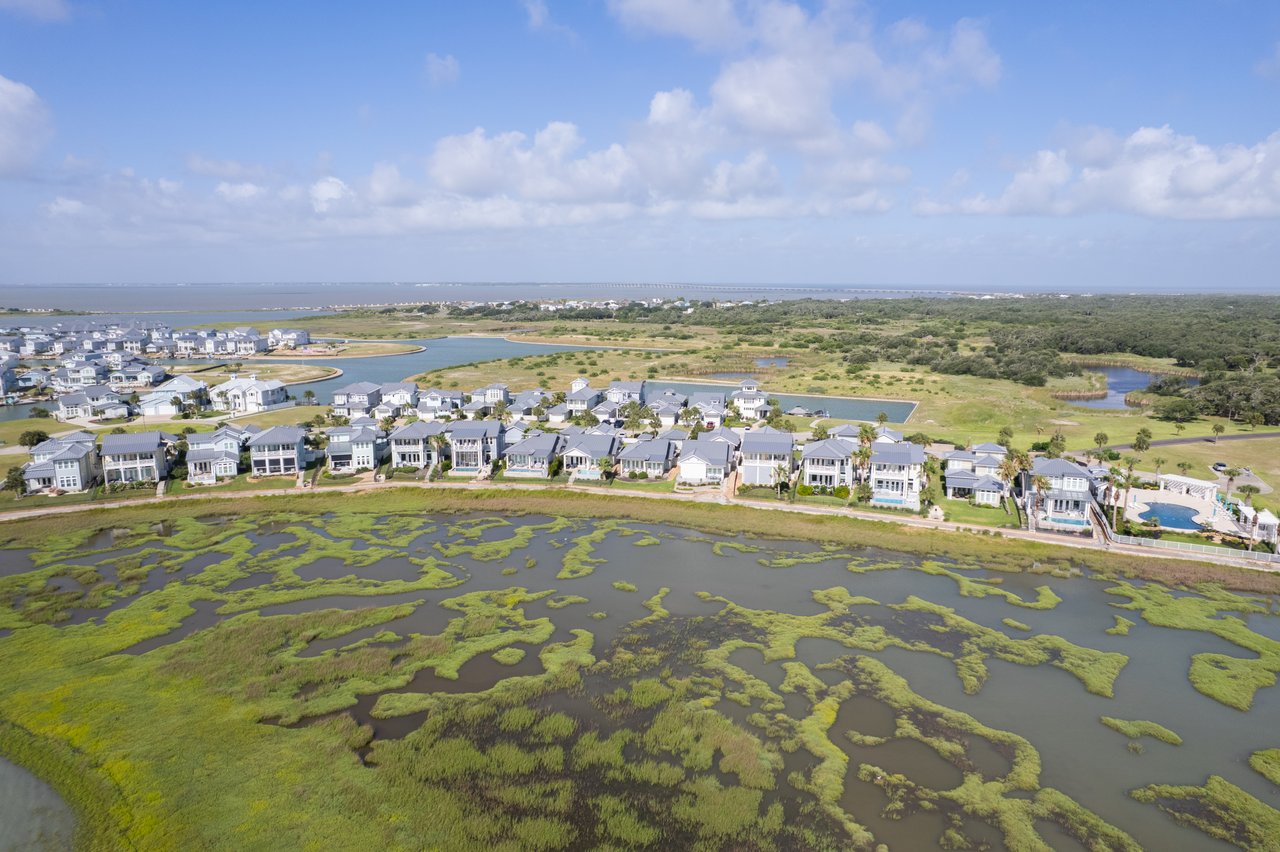
Thinking about a second home on the Texas coast? If Rockport and the Coastal Bend are on your radar, you are not alone. Buyers are drawn to fishing, boating, and birding, plus the easy pace of a small waterfront town. In this guide, you will learn what is shaping demand, how financing and insurance work for coastal properties, and what to check before you buy or sell. Let’s dive in.
Rockport demand drivers
Seasonality in the Coastal Bend
Rockport is a classic seasonal market. Spring and summer bring peak visitation for boating and beaches, with winter birdwatching and holidays adding a secondary bump. If you plan to rent short term, expect occupancy and rates to track tourism seasonality. Owners often use the shoulder seasons for personal stays and maintenance.
Who is buying and why
Typical buyers include retirees and near-retirees seeking a lifestyle upgrade and Texas tax advantages, weekenders from nearby metros, remote workers splitting time at the coast, and investors targeting short-term rental income. Many second-home purchases use cash or larger down payments than a primary residence. Smaller or more conventional properties may still be financed, while investor loans often require more reserves and higher down payments. In a small coastal market, inventory and pricing can move faster, so preparation matters.
Financing and cost planning
Second-home and investment loans
Lenders underwrite second-home loans differently than primary residences. You will likely see larger down payment requirements, higher credit standards, and a need for cash reserves. Loans for properties primarily operated as short-term rentals are usually underwritten as investments, which often means higher down payments and more stringent terms. Check current options with lenders active in Aransas County.
Taxes and recurring costs
Texas has no state income tax, but property taxes fund local services. Second homes do not qualify for a homestead exemption, so plan for a full property tax bill based on appraised market value and local rates. If you run a short-term rental, you are typically responsible for hotel or occupancy taxes and registration where required. Rental income is taxable at the federal level, and resale may trigger capital gains and depreciation recapture, so consult current IRS guidance and your tax advisor.
Maintenance and resilience costs
Coastal homes face salt, wind, sun, and storm exposure. Budget for corrosion control, HVAC service, exterior coatings, pest control, and storm-readiness items. Consider flood and wind mitigation improvements, such as elevation, impact-resistant openings, and hurricane hardware. Upfront resilience may help with insurability and long-run costs.
Insurance and coastal risk
Flood, windstorm, and homeowners coverage
Flood risk is common along the Gulf and is typically insured through the National Flood Insurance Program, with private flood options in some cases. FEMA’s Risk Rating 2.0 updated how premiums are calculated, and some coastal properties have seen increases. Wind coverage along the coast may come from private insurers or the Texas Windstorm Insurance Association in exposed zones. Standard homeowners policies often exclude flood and may limit wind, so review coverages with carriers experienced in the Coastal Bend.
Storms, sea level, and mitigation
Rockport is vulnerable to hurricanes and storm surge, and past storms have shaped local building standards. Sea-level rise projections point to more frequent tidal and surge pressures over time. Practical mitigation includes elevating living areas, floodproofing utilities, installing impact-rated windows and doors, shaping landscaping for drainage, and designing docks and seawalls to current standards. Some shoreline work requires permits, so plan early.
Short-term rentals in Rockport
Demand and revenue patterns
Short-term rental demand in Rockport is supported by fishing, boating, birdwatching near the refuge, beaches, and a small-town arts scene. Revenue is seasonal and varies by location, property type, and amenities. Use conservative models and verify assumptions with local experts and STR analytics where possible.
Rules, taxes, and compliance
Cities and counties often require STR registration, permits, safety standards, and the collection and remittance of occupancy taxes. Some communities use zoning to shape where STRs can operate. Before you buy, verify the exact parcel’s rules with the City of Rockport or Aransas County and confirm that your lender and insurer allow STR use.
Operations and management choices
If you plan to operate an STR from afar, local property management can help with maintenance, guest turnover, and compliance. Factor in platform fees, cleaning, utilities, routine repairs, and slower demand outside peak season. Clear house rules, guest screening, and proactive maintenance protect both the property and your reviews.
Buyer due diligence checklist
- Verify zoning and short-term rental rules for the specific address with Rockport or Aransas County.
- Review FEMA flood maps and elevation data. Obtain an elevation certificate if the structure is in a mapped flood zone.
- Get insurance quotes for homeowners, windstorm coverage, and flood from carriers active on the Gulf Coast.
- Request recent utility bills, maintenance records, roof age, and details on septic or sewer service.
- Check permitting history for docks, lifts, seawalls, or shoreline improvements. Obtain copies of approvals.
- Run a conservative STR pro forma if you plan to rent, including seasonality, platform fees, and reserves.
- Review property tax history and appraisals with the Aransas County Appraisal District and note that second homes do not receive a homestead exemption.
Seller insights for today’s market
Highlight features that reduce risk and increase comfort. Buyers respond to elevated construction, impact-rated openings, newer roofs, hurricane shutters, and documented maintenance. If your property has STR approvals or occupancy tax registration, prepare clean documentation and verified income history. Also spotlight access to marinas and key amenities that support the Coastal Bend lifestyle.
Your next step on the coast
Second homes in Rockport reward careful planning. When you understand seasonality, financing, insurance, and local rules, you can buy with confidence and enjoy your time on the water. If you are selling, a clear story about resilience, lifestyle, and compliant rental potential will help your home stand out.
Ready to explore waterfront, canal-front, or condo options with a local who lives the coastal lifestyle and knows STR rules inside and out? Connect with Shelly Griffin to Request a Valuation or Schedule a Showing.
FAQs
What makes Rockport a strong second-home market?
- Rockport blends small-town coastal living with recreation like fishing, boating, and birding, and demand from these amenities drives both personal use and rental potential.
How does seasonality affect rental income in Rockport?
- Expect peak demand in spring and summer with a secondary winter bump, so budget for higher occupancy during those times and leaner shoulder seasons.
What insurance do I need for a Rockport second home?
- Most owners pair a homeowners policy with separate flood and windstorm coverage, and policy details vary by location and carrier along the Gulf Coast.
Are short-term rentals allowed in the City of Rockport?
- STRs are commonly regulated, so you should verify current registration rules, safety standards, zoning, and occupancy tax requirements for the specific address.
How do Texas property taxes work for second homes?
- Texas does not have a state income tax, but second homes do not receive a homestead exemption, so plan for a full local property tax bill based on appraised value.
What due diligence should I complete before buying near the water?
- Confirm flood zone and elevation, collect insurance quotes, review permits for docks or shoreline work, and analyze realistic STR income if you plan to rent.