Trying to choose the right homesite in a waterfront community can feel exciting and overwhelming at the same time. You are not just picking a piece of land. You are choosing how you want to live, boat, relax, and spend your time in Rockport. If you are considering The Islands of Rockport, this guide will help you narrow your options with more confidence. Let’s dive in.
Start With Your Waterfront Lifestyle
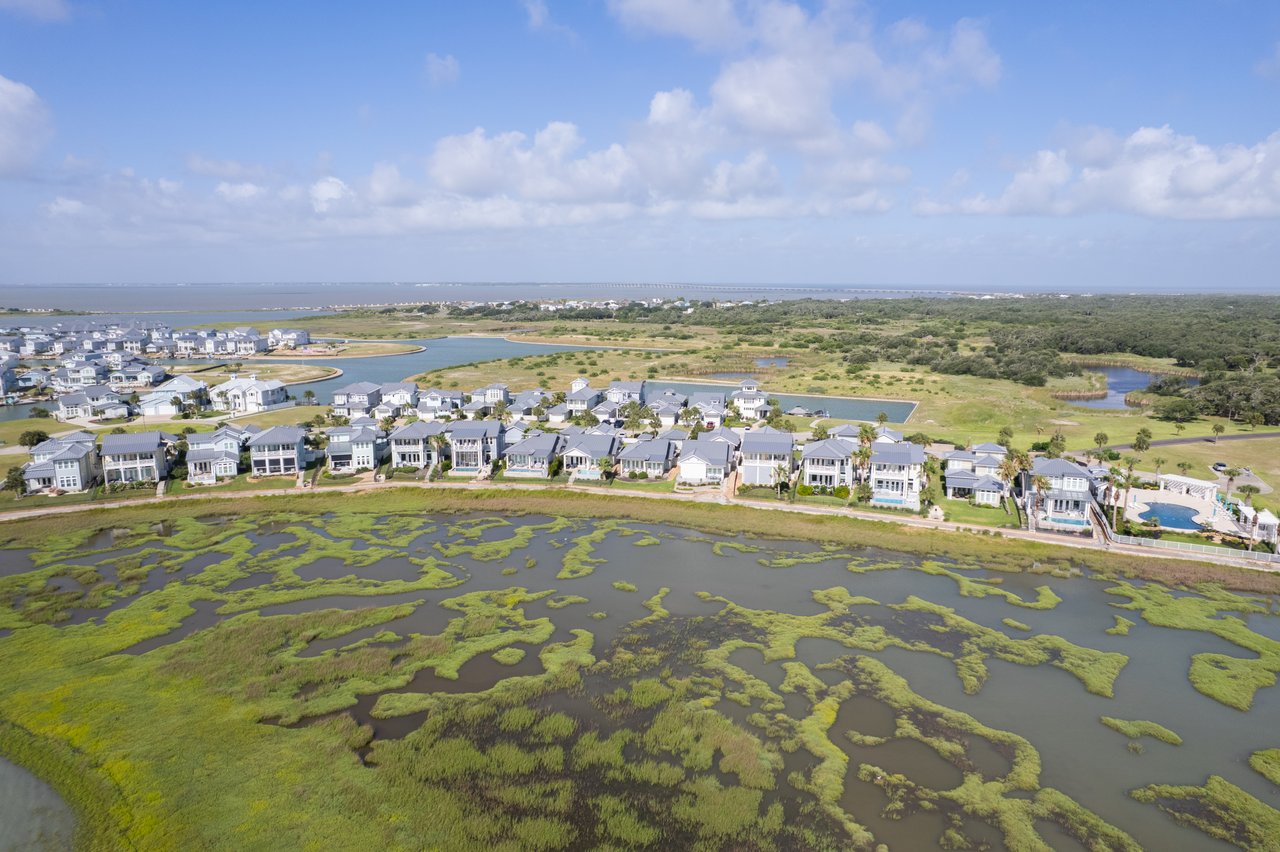
At The Islands of Rockport, the biggest decision usually starts with the water. The community sits on Redfish Bay and Estes Flats, with access to the Intracoastal Waterway and the Gulf. It also offers a private gated entrance, marina, private boat docks, clubhouse, resort-style pool, fitness center, restaurant/bar, and resort hotel.
That means your homesite choice should reflect how you actually plan to use the property. If your ideal day includes taking the boat out often, your priorities may look very different from someone who wants a low-maintenance second home near community amenities. Before you compare lot numbers or views, get clear on your day-to-day lifestyle.
Compare The Main Homesite Types
Estate Lots
Estate lots are the most customizable option in the community. Community materials describe them as waterfront, wide-canal homesites ranging from 8,000 to 15,000 square feet, with room for features like a pool, outdoor kitchen, and boat slip.
If you want the largest footprint and the most design flexibility, estate lots are usually the first place to look. They make the most sense for buyers who want to build around a specific vision instead of fitting into a more compact setup.
Villas
Villa homesites are the more compact, lower-maintenance choice. Community information shows homesites can start as small as 4,000 square feet, and villa owners have access to amenities like the pool and marina.
This option can be a strong fit if you want lock-and-leave coastal living. If your goal is to spend more time on the water or in town and less time caring for a larger yard or outdoor footprint, villas may be worth a close look.
Bay-Front, Canal-Front, Pool-Front, and Marina-Front
The current availability mix includes bay-front, canal-front, pool-front, and marina-front homesites. Each one supports a different version of coastal living.
Canal-front lots are the most boat-focused. The community states that canal owners can have private boat docks, and its canal system ranges from 100 to 150 feet wide with direct access to Estes Flats, Redfish Bay, and the Intracoastal Waterway.
Bay-front homesites are the open-water choice. Pool-front and marina-front homesites may appeal more if you care most about being close to shared amenities and a more simplified waterfront experience.
Ask How You Will Actually Use The Water
In this community, water access is not a small detail. It is often the detail that should drive your shortlist.
A lot may look perfect online, but the better question is whether it works for your real boating pattern. If you fish often, cruise regularly, or plan to keep a particular boat at the property, you will want to understand how that lot supports those plans.
Questions To Ask About Water Access
- Does the lot allow a private dock, or will you rely on shared marina access?
- Is the lot canal-front, bay-front, marina-front, or pool-front?
- How convenient is the route from the lot to the Intracoastal Waterway?
- Will the canal width work well for your boat use?
- What is the condition of the bulkhead?
These questions matter because a waterfront lot is not automatically the right waterfront lot. The best fit is the one that supports how you want to use the water on a regular basis.
Look Beyond Lot Size
The Islands of Rockport includes homesites from about 4,000 to 15,000 square feet. That is a wide range, and it can create very different living experiences within the same community.
A larger lot may give you more room for a pool, outdoor kitchen, guest parking, storage, or a larger garage. A smaller lot may offer a simpler, easier-to-maintain setup that still gives you access to the lifestyle and amenities you want.
Focus On Build Envelope
When you compare homesites, do not stop at the total square footage. You also need to understand the usable build envelope after setbacks and design requirements are applied.
That is especially important if you already know you want features like:
- A private pool
- Outdoor entertaining space
- Boat-related storage
- Extra parking
- A larger porch or deck
Two lots can have similar price points and very different flexibility. In a community like this, build potential can affect both your daily enjoyment and future resale appeal.
Think About Sun, Breeze, and Privacy
In a coastal setting, the lot that looks best on paper is not always the one that feels best once you live there. Orientation affects how your porch, backyard, and outdoor living spaces work throughout the day.
If you expect to spend a lot of time outside, pay attention to sun exposure, breeze patterns, and view lines. A homesite that offers the right balance of shade, privacy, and outdoor comfort may serve you better than one that only wins on map position.
This is one of the most overlooked parts of choosing a homesite. It is also one of the most personal, because the right answer depends on how you want to use your home morning, afternoon, and evening.
Weigh Amenity Access Against Privacy
The Islands of Rockport is designed around both waterfront living and resort-style amenities. Depending on your goals, being near the marina, pool, clubhouse, or other shared spaces may be a major advantage.
If you want easy access to community features and a more social, convenience-first setup, homesites near those amenities may rise to the top. If you prefer more separation and a quieter feel, you may want to prioritize location within the community differently.
The broader Rockport area also adds to the decision. The city highlights places like Rockport Beach, the Texas Maritime Museum, the Rockport Center for the Arts, the Bay Education Center, Fulton Mansion, parks, trails, fishing access, and downtown arts and culture. If you plan to split your time between the community and town, location within the neighborhood can shape that routine.
Treat Design Rules As Part Of The Lot Choice
At The Islands of Rockport, the homesite decision and the build decision go hand in hand. The community has coastal architectural guidelines and uses pre-approved builders and architects.
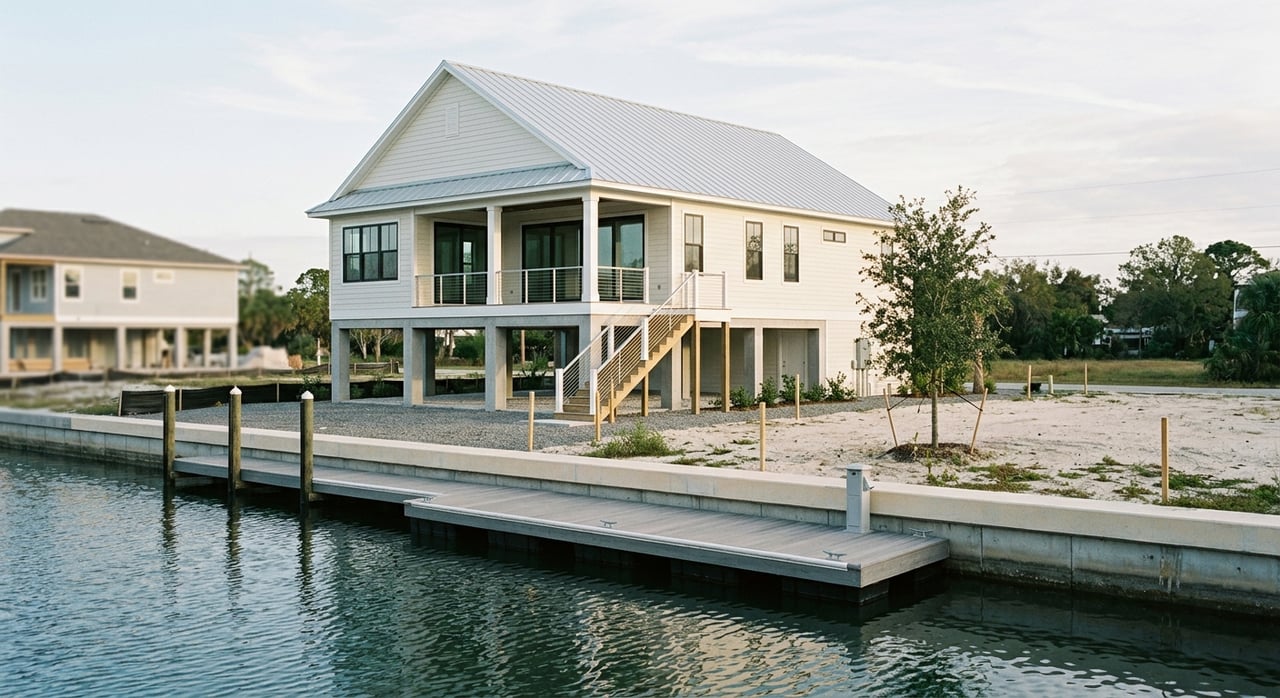
Community materials describe the architectural look with features like metal roofs, pastel-colored exteriors with white trim, and weather-resistant materials such as Trex, Hardie, metal roofing, and vinyl fencing. That means your preferred lot should also support the style, layout, and construction approach allowed in the community.
Review These Early
Before you commit to a shortlist, ask for clarity on:
- Architectural guidelines
- Approved builder requirements
- Design review expectations
- Setbacks and lot-specific limitations
This step can save you time and frustration. It helps you avoid falling in love with a lot that does not align with your building goals.
Do Flood And Elevation Due Diligence
Flood risk is a central part of buying in coastal Rockport. The City of Rockport states that the area is exposed to bay flooding, storm tide, storm surge, drainage issues, and localized street and yard flooding.
The city also notes that even properties outside the mapped 100-year floodplain can still flood, and about 25 percent of flood claims occur outside the Special Flood Hazard Area. For buyers, that means flood due diligence should never be treated like a box to check at the end.
What Buyers Should Confirm
- The lot’s flood zone
- Elevation details
- Whether elevation certificates will be required
- How local permit requirements apply to the planned build
- Flood insurance implications
Rockport requires permits for development and requires new structures to be at least 18 inches above the 1 percent annual chance flood elevation. The city also requires elevation certificates before a certificate of occupancy for new construction or substantial improvement.
Rockport participates in the National Flood Insurance Program, and the city says flood insurance is available for all city properties. It also states that new policies typically have a 30-day waiting period and that its Community Rating System class can provide a 15 percent premium discount for Special Flood Hazard Area properties.
A Simple Way To Shortlist Lots
If you are trying to narrow several good options, it helps to rank your priorities in a clear order. For this community, the strongest approach is usually to evaluate homesites in this sequence:
- Water use
- Flood and elevation
- Lot size and build flexibility
- Amenity convenience
This order helps keep the biggest long-term factors first. Views and pricing matter, but practical fit often matters more once you own the property.
Final Thoughts On Choosing Well
The right homesite in The Islands of Rockport is not always the biggest lot or the one with the flashiest first impression. It is the one that fits your boating habits, building plans, comfort with flood and elevation factors, and the lifestyle you want to enjoy in Rockport.
That is where local guidance can make a real difference. When you walk homesites with someone who understands canal access, waterfront living, community rules, and how buyers use these properties over time, your decision gets a lot clearer.
If you are weighing homesites in The Islands of Rockport and want a local perspective on fit, resale, and waterfront lifestyle, Shelly Griffin can help you compare your options and schedule a showing with confidence.
FAQs
What is the difference between estate lots and villa lots in The Islands of Rockport?
- Estate lots are the larger, more customizable option, generally ranging from 8,000 to 15,000 square feet, while villa lots are more compact and lower maintenance, with some starting around 4,000 square feet.
What should buyers ask about dock access in The Islands of Rockport?
- Buyers should ask whether a lot allows a private dock, whether access is canal-front or shared through the marina, how the canal works for their boat use, and what the bulkhead condition is.
Why do flood zone and elevation matter for Rockport homesites?
- Rockport is exposed to several flood risks, and the city requires development permits, elevation standards for new construction, and elevation certificates before occupancy in qualifying situations.
Which homesite type is best for boating in The Islands of Rockport?
- Canal-front lots are typically the most boat-oriented because the community states they can include private docks and offer direct access to Estes Flats, Redfish Bay, and the Intracoastal Waterway.
How do community design rules affect homesite selection in The Islands of Rockport?
- The community uses coastal architectural guidelines and pre-approved builders and architects, so the lot you choose should support your design goals within those requirements.