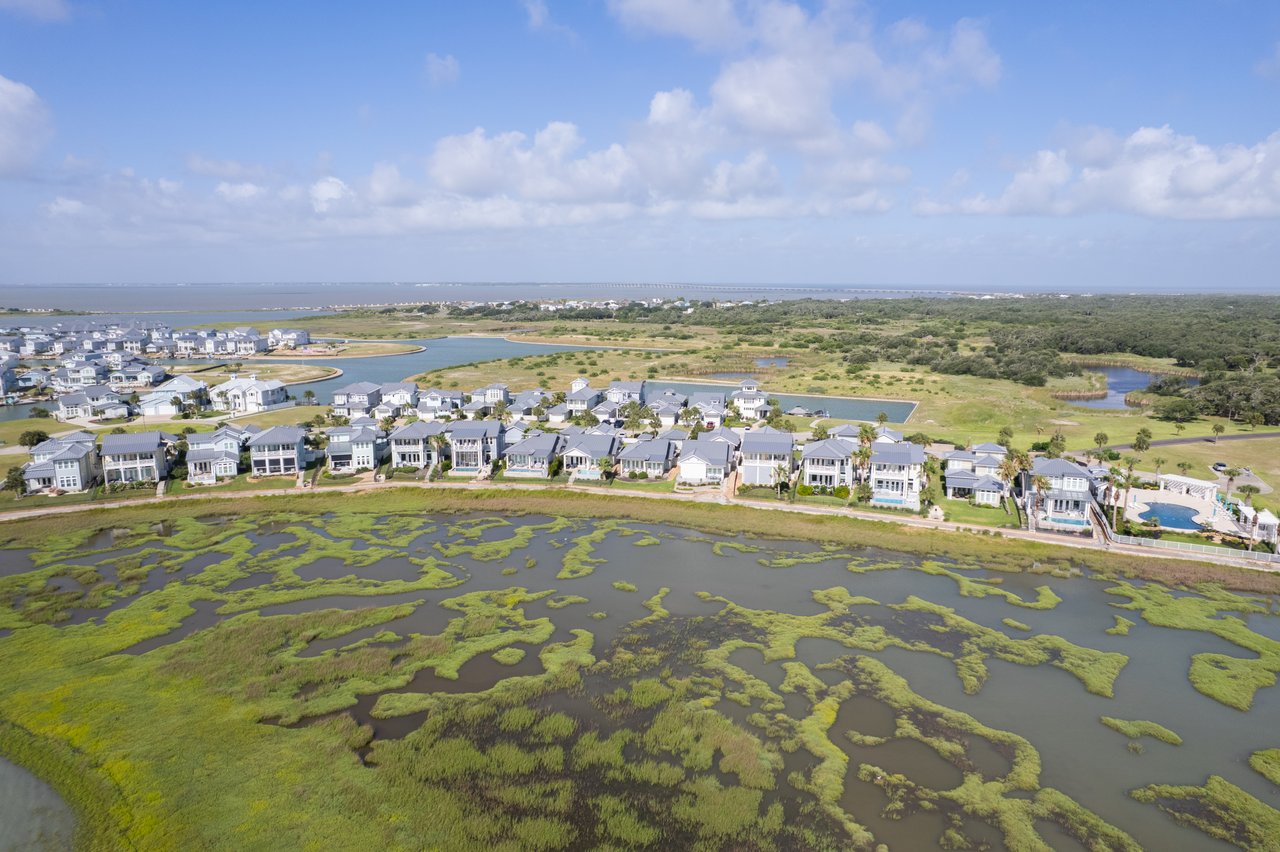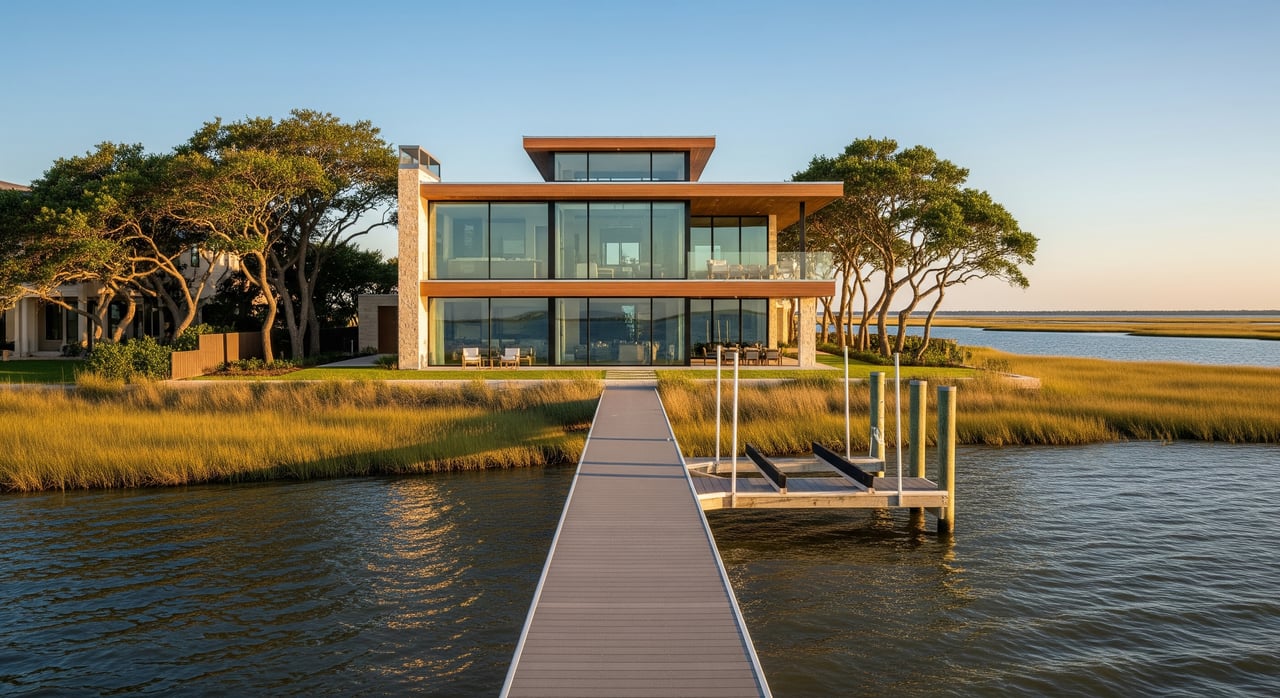
Sunrise or sunset? Calm canals or open water? At The Reserve, the way a property faces the water shapes your daily experience and your resale value. If you are considering a home or lot in 78382, understanding orientation helps you balance lifestyle, costs, and long-term risk. You want a place that feels right and performs well when it is time to sell. This guide breaks down how orientation affects price, comfort, and permitting so you can buy or sell with confidence. Let’s dive in.
What “waterfront orientation” means here
Waterfront orientation is the direction your property faces and the type of water it fronts. In the Coastal Bend, orientation influences view quality, boat access, wind exposure, and insurance costs. It also affects how you design living spaces to capture light and scenery. In short, orientation is a core driver of value at The Reserve and across 78382.
The four orientation types at The Reserve
Open-bay frontage
Open-bay frontage offers broad, unobstructed water views and often the most dramatic sunrise or sunset moments, depending on the direction of the shoreline. Many buyers prize the prestige of panoramic vistas and the ability to orient living areas toward the water. The tradeoff is higher exposure to waves, storm surge, and salt spray. That exposure can mean more robust shoreline structures, higher maintenance, and potentially higher insurance and elevation requirements.
Pros
- Big-water views and strong lifestyle appeal
- Potential for premium resale if dock and depth are feasible
- Excellent orientation for main living spaces and outdoor rooms
Cons
- Greater exposure to wind and wave energy
- Potentially higher flood and wind insurance costs
- Shoreline erosion risk and more complex permitting for docks or bulkheads
Protected-cove frontage
Protected coves feel calmer and more private. Water can be smoother, which is attractive for paddlecraft, relaxed afternoons on the dock, and lower maintenance. Depending on the shoreline direction, you may still catch morning or evening light without the full brunt of open-bay conditions. Value depends on how easily you can reach navigable channels and the quality of the view across the cove.
Pros
- Quieter water and more comfortable outdoor living
- Reduced wave energy and lower salt spray wear
- Potentially better privacy and noise control
Cons
- May have longer or shallower access to main channels
- Views can be more enclosed than open-bay panoramas
- Dock size or placement may be limited by cove geometry or rules
Canal-side frontage
Canal frontage is popular for boaters who want smooth water at the dock and an easy place to tie up. These lots often trade the widest view for convenience and lower exposure. Buyers should confirm water depth to their boat, turning radius, and distance to navigable channels. Canal-side homes may experience passing boat traffic and sound, but many value the functional boating benefits.
Pros
- Calm water at the dock and easy daily boat use
- Lower exposure to wave action than open bay
- Often more predictable maintenance for bulkheads and slips
Cons
- Narrower views and potential for boat traffic noise
- Depth and bridge or turning constraints can limit larger vessels
- Sun orientation may be set by canal layout rather than buyer preference
Water-view-only lots
Water-view lots overlook the water without direct frontage. These tend to carry a smaller premium than direct waterfront but still offer a coastal feel. They can be easier to insure and maintain while delivering a compelling view if the home is designed to capture it. The key value drivers are view corridor protection, elevation, and proximity to shared access.
Pros
- Lower exposure to coastal hazards and salt spray
- Easier upkeep and potentially lower insurance costs
- Strong resale if the view is protected and well-framed
Cons
- No private dock or direct water access
- View quality depends on siting and any future development
- Smaller premium than direct frontage
Sun, wind, and comfort factors
In South Texas, prevailing winds commonly arrive from the southeast with seasonal shifts. An orientation that catches these breezes can feel cooler in summer, while sheltered positions may feel calmer and more mosquito-prone at times. West-facing water can deliver striking sunsets that many buyers love for evening entertaining. East-facing water can offer tranquil sunrises and softer afternoon light. Your preference will shape demand, but market data should confirm any premium.
For outdoor living, consider how patios, docks, and sun decks will feel at peak times of day. Try to visit at morning and evening to see glare, shading, and wind conditions. Also consider salt spray patterns, as heavier exposure can affect finishes and maintenance schedules.
Water access, depth, and navigability
Boating utility is central to value in The Reserve and across 78382. Deep-water access and dockability tend to command higher premiums. If you plan to keep a larger boat, confirm measured depth at low tide where a dock might go and how far it is to a navigable channel. In sheltered orientations, smaller craft may do well, but larger vessels could face depth or turning limits. If a private dock is important, verify feasibility early.
Risk, permitting, and insurance
Orientation interacts with hazard exposure and the approvals you may need:
- Flood and storm surge. Lots facing open water often correlate with higher surge and wave exposure. Always check FEMA flood maps and local Base Flood Elevations. Open exposure can translate to higher finished-floor requirements and stronger foundations.
- Shoreline stability. Orientations that take more direct wave energy over long fetch distances can see more erosion. Bulkhead or shoreline stabilization choices may affect costs and upkeep.
- Permitting. Dock and seawall permits in coastal Texas can involve multiple agencies. Your orientation and water depth may determine what is allowed, how long the structure must be, and which approvals apply.
- Insurance. In coastal Aransas County, flood insurance is typically required in Special Flood Hazard Areas. Wind coverage can involve private carriers or the Texas Windstorm Insurance Association. More exposed orientations can see higher premiums or deductibles.
Before you set a price or make an offer, gather insurance quotes and talk with the local floodplain administrator. This can prevent surprises during underwriting.
How orientation shows up in pricing
Most valuations use a comparative market analysis, not a one-size-fits-all premium. Local closed sales in The Reserve and nearby areas set the benchmark. Appraisers and experienced brokers adjust for water type, view width, dock presence and capability, orientation to sunrise or sunset, flood zone, elevation, and noise or privacy.
Key drivers that often move the needle:
- Direct waterfront with a private dock and navigable depth usually tops the market
- Sheltered coves with panoramic angles can outshine straight runs with heavy boat traffic
- West-facing views may draw higher demand for evening use, but east-facing appeal is strong for morning light and reduced afternoon heat
- Water-view-only homes earn a smaller premium that depends on protected view corridors and thoughtful design
For investors, orientation can also influence nightly rates and occupancy. Sunset views and simple boat access often improve rental performance. As always, use local rental comps to validate expectations.
What appraisers and brokers check
Professionals gather lot-specific facts to support value adjustments:
- Water type and frontage: open bay, cove, canal, or view-only
- Dockability: depth at low tide, slip size, and distance to a navigable channel
- Orientation features: ability to orient main rooms to water, morning vs evening light
- Risk profile: flood zone, Base Flood Elevation, shoreline stabilization, prior permits
- Buildability: lot shape, setbacks, easements, and HOA architectural rules
- Market evidence: 12 to 24 months of closed sales with similar orientations and improvements
This is why two lots that seem similar on a map can price very differently. Small differences in depth, wind exposure, or privacy can add up.
Buyer checklist for The Reserve
Use this quick list before you write an offer:
- Documents to request
- Plat and survey showing boundaries, easements, and any mean high-water line
- Title commitment outlining riparian rights and any tideland reservations
- HOA covenants and architectural guidelines for docks and shoreline structures
- Hazard and permitting
- FEMA flood panel and Base Flood Elevation for the lot
- History of shoreline repairs, bulkheads, or stabilization and related permits
- Floodplain administrator guidance on elevation and floodproofing
- On-site checks
- Measured water depth at low tide where a dock might go
- Exposure to prevailing winds and observed wave energy across the fetch
- Shoreline condition and any vegetative buffers
- Cost and insurance
- Quotes for flood and wind coverage and typical bulkhead or dock maintenance
- Builder input on foundation design and elevation costs
- Market inputs
- Recent closed sales with the same water type and orientation
- If applicable, rental comps by orientation and access
Seller checklist to maximize value
If you are prepping a listing, focus on clarity and confidence:
- Provide the latest survey, flood information, and HOA guidelines
- Document dock depth, slip size, and route to the nearest navigable channel
- Highlight orientation perks like sunset or sunrise views and wind comfort
- Note stabilization upgrades or bulkhead condition and any transferable warranties
- Stage key vantage points and outdoor living areas to emphasize view corridors
Local resources to consult
For accurate, lot-specific answers, engage the right contacts early:
- Local floodplain administrator for flood zones and elevation requirements
- Permitting offices for docks and shoreline structures
- Title company for shoreline ownership and recorded easements
- Licensed coastal surveyor or marine contractor for dock feasibility and depth
- Local MLS data, the appraisal district, and a waterfront-savvy appraiser for comps
Put local expertise to work
Choosing between sunrise serenity and sunset sparkle is personal, but the market rewards homes that balance beauty, access, and risk. When you match your lifestyle with the right orientation, you protect both your enjoyment and your resale. If you would like a custom orientation analysis with recent comps, dockability notes, and insurance considerations, let’s talk. Connect with Shelly Griffin to Request a Valuation or Schedule a Showing.
FAQs
Do west-facing waterfront homes at The Reserve sell for more?
- Often yes, sunset views can attract higher demand in vacation and coastal markets, but local sales data should confirm any premium because buyer preferences vary.
How much more is direct waterfront worth than a water-view-only home in 78382?
- It depends on water type, dockability, risk, and view protection, so use local comparable sales rather than national percentage rules.
Does open-bay exposure affect insurance costs in Aransas County?
- Open exposure can increase flood and wind risk, which may raise premiums or deductibles, so obtain quotes early in your due diligence.
Can every lot at The Reserve add a private dock?
- Not always, because dock approval depends on shoreline ownership, water depth, proximity to channels, and permits, so verify feasibility with title and permitting offices.
Is canal frontage or open bay better for boating access in Rockport?
- Canal frontage offers calm water and convenience for daily use, while open bay can suit deeper or larger boats if depth allows, so confirm measurements and route to navigable channels before you buy.