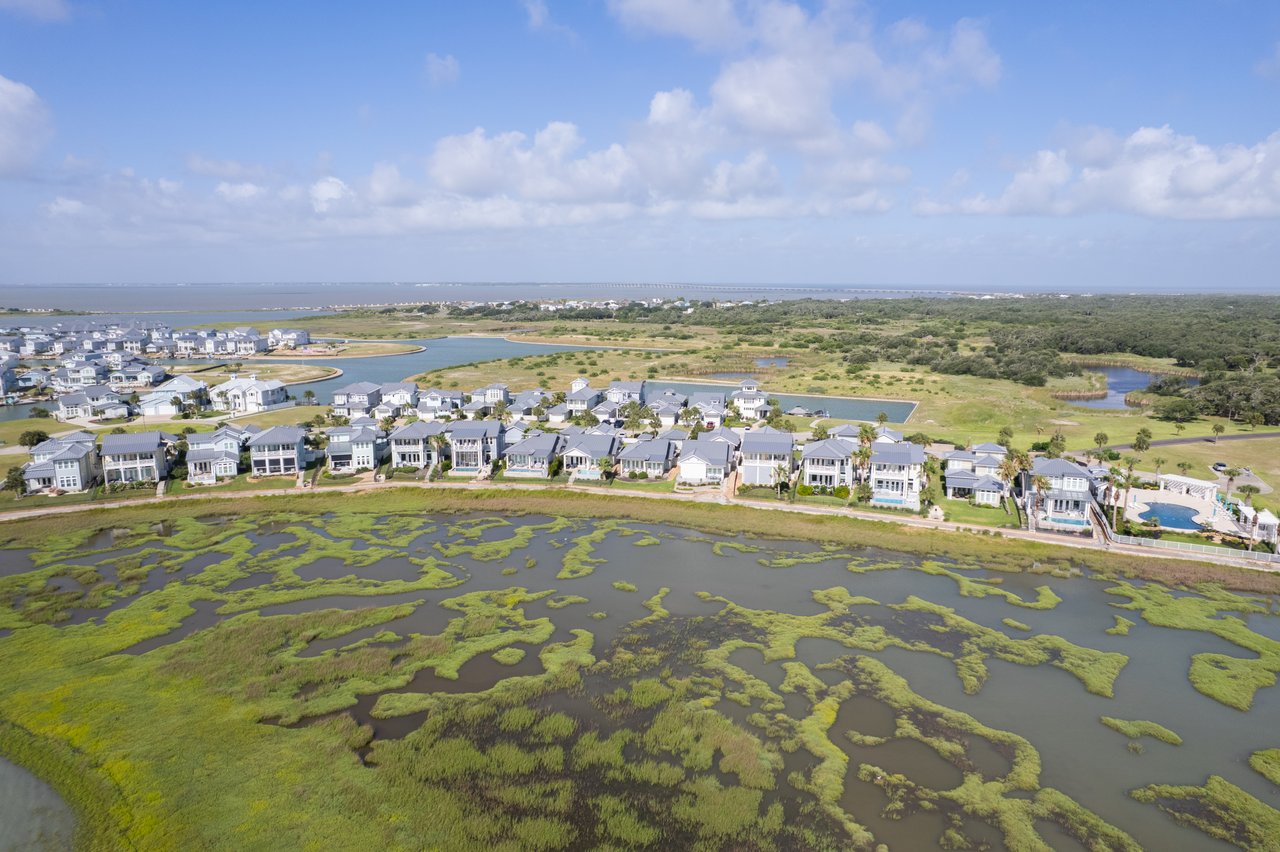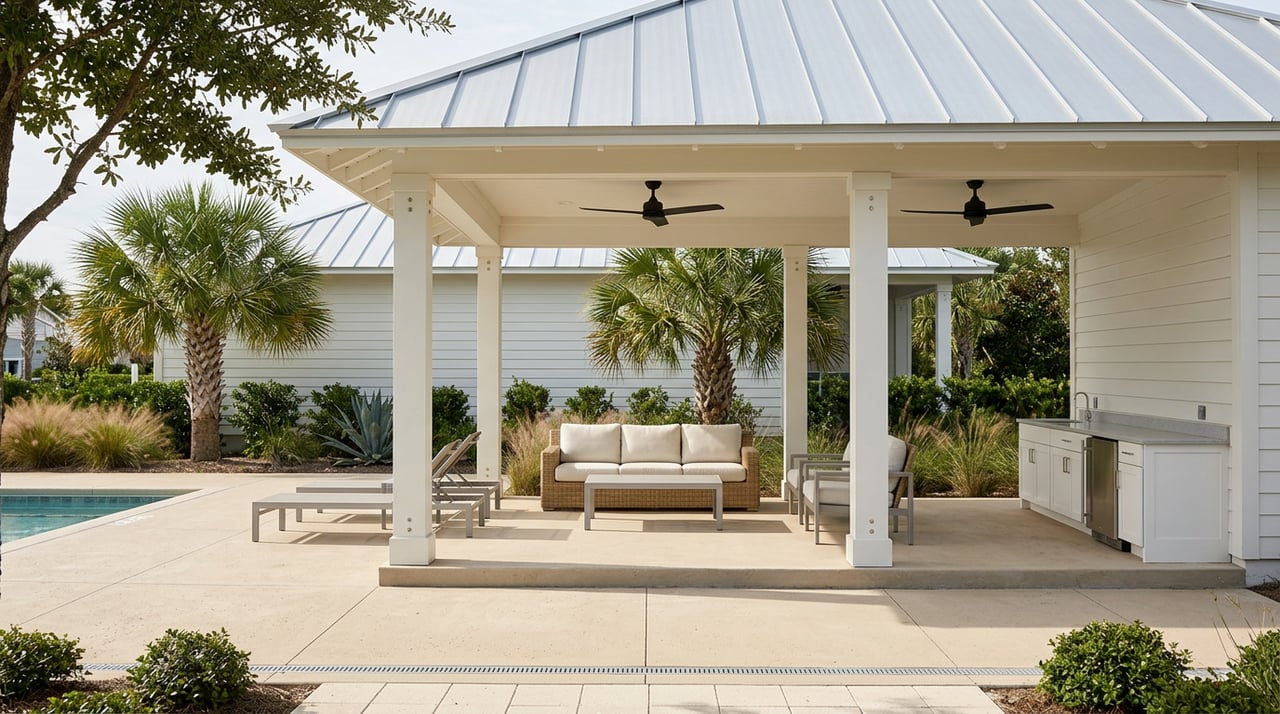
Thinking about a home on the canals at The Islands of Rockport? Before you picture morning coffee on the dock and sunset cruises, it helps to understand how the HOA works, what the dues cover, and how amenities are maintained. Buying in a coastal, master-planned community is exciting, and a little homework now can save surprises later. In this guide, you’ll get a clear view of the HOA, advertised amenities, typical fees, and the exact documents to request before you write an offer. Let’s dive in.
Islands of Rockport at a glance
The Islands of Rockport is marketed as a gated, waterfront neighborhood with wide canals, private docks, and resort-style amenities. The community’s site highlights a private entry, clubhouse with pool, fitness center, and a canal network 100 to 150 feet wide. You’ll also see mentions of a planned marina, resort hotel, restaurant, and a “bubble curtain” canal system for water quality. These are developer statements, so plan to verify them in the HOA’s recorded documents and budgets. You can preview the advertised amenities on the community’s Discover page on the developer’s site: The Islands of Rockport — Discover.
Public listing snapshots often show HOA dues around $750 per quarter, which equals about $3,000 per year. Treat this as a starting point. The current amount, billing schedule, and any special assessments should be confirmed in the resale or estoppel certificate before closing.
What to read first: the governing documents
The HOA’s recorded documents tell you what you can build, how the neighborhood operates, and who pays for what. Ask the seller, HOA, or your title company to provide:
- Declaration of Covenants, Conditions and Restrictions. This is the master set of rules that run with the land.
- Bylaws and Articles of Incorporation. These explain how the board is structured and elected.
- Rules and Regulations. Day-to-day items such as trash, gate access, parking, and amenity use.
- Architectural and Design Guidelines with ARC applications. Critical for new builds, exterior changes, and any dock plans.
- Most recent annual budget, financials, and reserve study. Essential for understanding funding for canals, pool, and long-term projects.
- Resale or estoppel certificate. Texas law lists required contents and timing. Learn what must be disclosed in Texas Property Code Chapter 207.
- Management certificate. Many Texas HOAs must file a management certificate that lists current contacts and management information. See the state overview at Texas HOA Management Certificate Requirements.
HOA dues: what they typically cover
In a waterfront, master-planned neighborhood, your dues usually support the shared lifestyle. While each HOA is unique, common coverage often includes:
- Common-area upkeep such as landscaping, gate operation, lighting, and possibly private streets.
- Operation of amenities like the pool, clubhouse, and fitness center.
- Security and gate systems.
- Insurance for common areas and professional management fees.
- Canal-related items such as water-quality systems and dredging programs. The Islands of Rockport advertises a canal network and a bubble curtain system. Confirm who pays to maintain and operate these features.
For a plain-English overview of typical HOA expenses and reserves, review this industry guide: What HOA fees usually cover.
Important note on reserves: canals, seawalls, and marina infrastructure are capital intensive. Ask for the latest reserve study and financial statements, and look for a clear plan that addresses canal dredging and seawall repairs. If reserves are thin, special assessments may be more likely.
Architectural review, docks, and building timelines
The Islands of Rockport markets “timeless coastal architectural guidelines,” which usually means an Architectural Review Committee. Expect to submit complete plans and obtain ARC approval before you break ground or order materials.
- Typical ARC submissions include site plans, elevations, exterior materials and colors, landscaping, and a construction schedule.
- Dock and in-water projects often add extra review steps and timelines.
- Review windows commonly range from 2 to 8 weeks or more, depending on scope and completeness. These are general practices and should be confirmed in the community’s design guidelines.
If you want a sense of what many waterfront ARCs look for, read this procedural overview of design review best practices: What to expect in HOA design review.
Permits for docks, seawalls, and dredging
Beyond HOA approval, some waterfront work needs outside permits. In coastal Texas, you may encounter:
- U.S. Army Corps of Engineers authorization for structures in navigable waters, dredging, or fill. Learn the basics here: USACE Regulatory Program overview.
- Texas General Land Office requirements for residential piers and docks if state-owned submerged lands are involved. See the GLO residential dock application packet.
- Local city or county building approvals and inspections. Ask how floodplain rules and construction sequencing apply.
- FEMA considerations for elevations and flood insurance if a property lies in a Special Flood Hazard Area. You can search your parcel on the FEMA Map Service Center.
Practical tip: confirm in writing who owns each dock or slip, who insures it, and who pays for maintenance and dredging near the slip. Ownership and cost-sharing can vary between the HOA, developer, individual owners, and a marina operator.
Ten smart questions to ask before you offer
Use these prompts to focus your due diligence:
- What are the current HOA dues, billing frequency, and the date of the last increase? Verify in the resale certificate and current budget.
- Does the HOA have a recent reserve study that covers canals, seawalls, and the bubble curtain system? Are reserves on track with that plan?
- Who owns and maintains private docks and the planned marina areas? Ask for recorded easements and any operating agreement.
- What exactly do HOA dues cover today? Compare the budget line items to the amenities listed on the marketing site.
- Are there any pending or recent lawsuits involving the HOA? The resale certificate should disclose these.
- Who manages the HOA and under what agreement? Request the management contract and check for a filed management certificate.
- What are the ARC steps, fees, deposits, and review timelines for new construction and docks?
- Are short-term rentals allowed, and if so, what are the minimum terms and rules? Request the exact CC&R or Rules section.
- What is the flood zone for the specific lot or home, and how might that affect insurance and elevation requirements?
- What is the phasing and financial plan for the planned marina, hotel, and restaurant? Clarify who funds initial build-out and ongoing operations.
Due diligence checklist you can copy
Use this list to keep your review organized. Request current, complete copies.
- Resale or estoppel certificate with all Texas-required contents and a recent preparation date. Review the statutory outline in Texas Property Code Chapter 207.
- Recorded Declaration and all amendments, plus Bylaws and Rules.
- Design Guidelines and the full ARC packet, including fee schedule and construction deposit requirements. Preview the community’s advertised design posture at The Islands of Rockport — Discover.
- Current-year operating budget, recent financials, delinquency report, and the latest reserve study.
- Board and committee meeting minutes for the past 12 months, insurance declarations for common areas, and key vendor contracts. Look for items tied to canals, gates, pool, security, and any marina operator.
- Management agreement and any filed management certificate. State guidance is here: Texas HOA Management Certificate Requirements.
- Recorded plats, easements, dock assignment documents, and copies of any federal or state authorizations for docks or dredging, such as USACE permits or GLO residential dock approvals.
- A written summary of pending capital projects or special assessments, plus any developer turnover timeline for amenities described as planned.
- Flood zone confirmation for the specific parcel using the FEMA Map Service Center.
Red flags to watch
A few items commonly surprise waterfront buyers. Keep an eye out for:
- Missing or hard-to-find CC&Rs and Design Guidelines. Marketing pages are not the same as recorded restrictions.
- Thin reserves for canals, dredging, seawalls, or a future marina. That can lead to special assessments.
- Unclear dock ownership and maintenance duties. Get responsibilities for repair, replacement, and insurance in writing.
- “Planned” amenities without a clear funding path or timeline. Ask for phasing schedules and any commercial agreements that govern owner use and costs.
Flood and insurance snapshot
Flood zones and insurance can vary lot by lot. Pull the exact parcel on the FEMA Map Service Center and ask the HOA if any community-level flood mitigation or dredging plans affect premiums. If you plan to build or add a dock, confirm whether elevation rules or floodplain permits affect your timeline and budget.
Next steps
If The Islands of Rockport fits the way you want to live on the water, the right documents and a clean budget review will give you confidence. I can help you request the full HOA package, interpret the numbers, and connect you with trusted coastal pros for docks, permits, and insurance. When you are ready to tour, compare, or offer, reach out to Shelly Griffin to get local guidance and a smooth plan from contract to closing.
FAQs
What is the typical HOA fee at The Islands of Rockport?
- Public listings often show about $750 per quarter, or roughly $3,000 per year, but you should confirm the current amount and billing frequency in the resale certificate and budget.
Which HOA documents are most important for a buyer to review?
- Start with the CC&Rs, Bylaws, Rules, Design Guidelines, current budget and financials, reserve study, and the resale or estoppel certificate required under Texas Property Code Chapter 207.
Are docks and the planned marina maintained by the HOA or owners?
- It varies by community and by document; request recorded easements, dock assignments, and any marina operating agreement to confirm ownership, insurance, and maintenance obligations.
Do I need permits in addition to HOA approval for a dock or seawall?
- Many in-water projects require approvals from the U.S. Army Corps of Engineers and possibly the Texas General Land Office, plus any city or county permits, so plan your sequence and timelines accordingly.
How do I check the flood zone for a specific Islands of Rockport property?
- Enter the address or parcel on the FEMA Map Service Center to see the official flood map, then speak with your insurer and confirm any HOA or city elevation requirements.
What if advertised amenities are still “planned” when I buy?
- Ask for the developer’s phasing schedule, funding plan, and whether owners will share initial or ongoing costs, then compare that information to the HOA budget and reserves before you commit.