Imagine stepping onto your deck at sunrise and spotting a Great Blue Heron hunting in the shallows or dolphins surfacing out in the bay. If you love the idea of daily wildlife moments, The Reserve at St. Charles Bay in Rockport can make that a regular part of life. You may be wondering what you’ll actually see, when the seasons peak, and how to enjoy it all responsibly. This guide shares what to expect, where to look, and simple ways to protect the wild coast that makes this community special. Let’s dive in.
Where The Reserve meets wild coastline
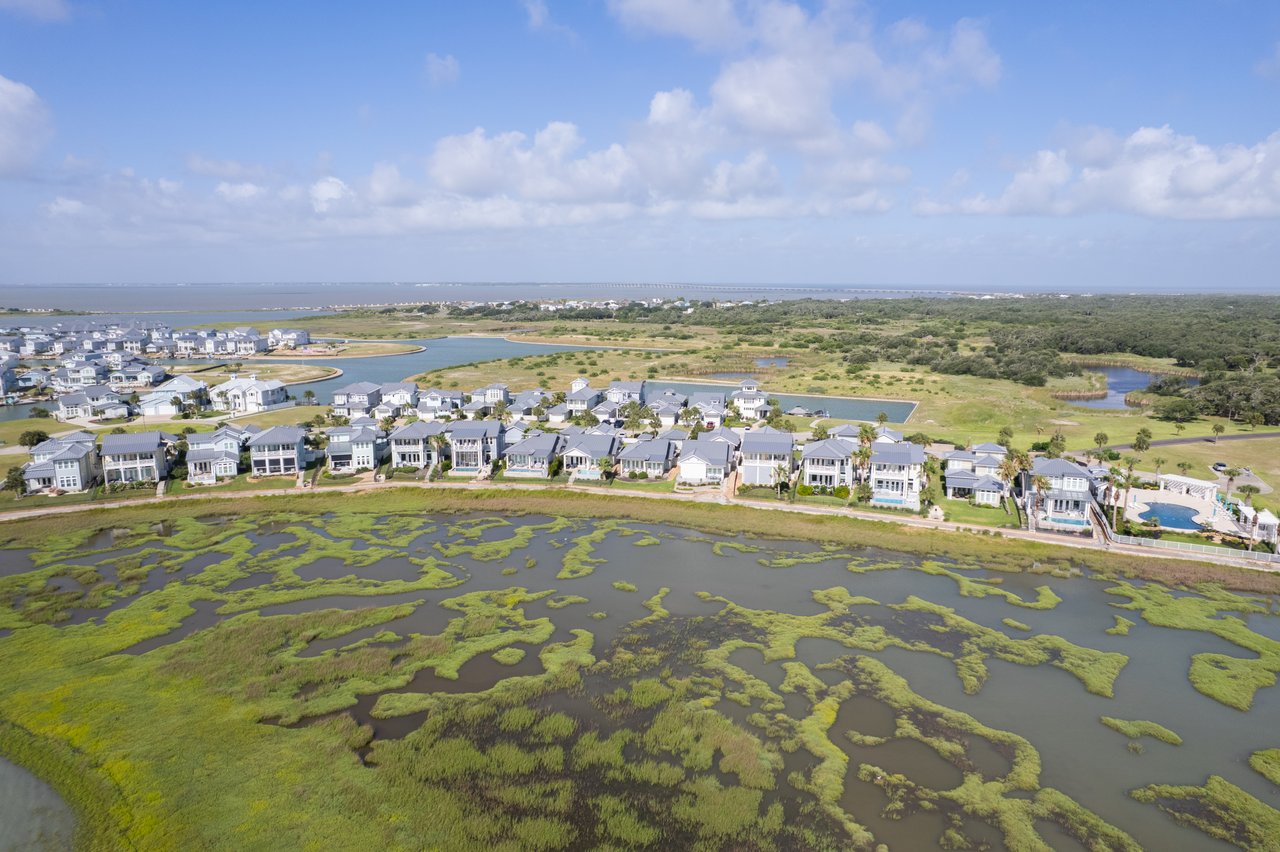
The Reserve sits on Rockport’s Lamar Peninsula, right beside Goose Island State Park and within the greater Aransas and St. Charles Bay system. The developer highlights a gated waterfront setting with canal and boardwalk access next to public parkland, and proximity across the bays to Aransas National Wildlife Refuge. You can read how the developer markets these conservation‑oriented features on the community’s site in the section on being rooted in conservation.
These neighboring public lands matter. Protected marshes, islands, and shallow flats in Goose Island State Park and Aransas National Wildlife Refuge create feeding and nesting areas for birds and nursery habitat for fish and crabs. That mosaic of salt marsh, seagrass beds, oyster shell reefs, and intertidal flats is why this coastline draws wildlife right up to your doorstep. For a sense of the habitats and nearby programs, explore the Goose Island State Park overview.
Everyday wildlife you may see
Wading birds on marsh edges
Along marsh banks and tidal creeks, you can often see Great Egret, Snowy Egret, Tricolored Heron, Reddish Egret, Roseate Spoonbill, White Ibis, and the stately Great Blue Heron. In seasonal windows, you may also notice colonial nesters like Black Skimmers and Least Terns resting on nearby sand or shell bars. For a representative list of commonly reported species in this area, check the TPWD Aransas Loop wildlife trail.
Shorebirds and migrants in motion
Tidal flats and shorelines host sandpipers, dowitchers, and willets, especially during migration. Coastal oaks and native landscaping can attract songbird migrants moving through in spring and fall. Rockport is also known for a remarkable September hummingbird stopover that draws visitors each year. Learn more about this seasonal highlight through the local HummerBird Celebration.
Life in the water
The same shallow flats and canals that delight birders are productive for fish and crabs. Local waters support redfish, speckled trout, flounder, and blue crab. Dolphins are commonly seen in bay channels. These species are among the reasons fishing piers and boardwalks can feel “alive,” especially at dawn and dusk. Get a feel for the local water-based wildlife by browsing the Goose Island State Park page.
Seasons that shape your views
Winter whooping cranes
The world‑famous Aransas–Wood Buffalo whooping cranes spend winter on the Texas coast, typically November through March. Birds begin arriving in mid to late October and depart by early spring, though timing varies. Sightings are never guaranteed from your deck, and the most reliable viewing is usually from refuge observation areas or licensed boat tours. For updates and visitor guidance, see the Aransas National Wildlife Refuge.
Spring migration
From roughly March through May, migration brings waves of songbirds and shorebirds. Even small, native plantings can become rest stops for tired travelers. Spring is a great time to keep binoculars handy and to dim exterior lighting at night to help migrants pass safely.
Fall hummingbirds and shorebirds
September is prime time for hummingbirds, and late summer into fall brings strong shorebird movement. Local events and programs often align with these pulses, so check community calendars if you plan a wildlife‑focused visit.
Best ways to watch at home
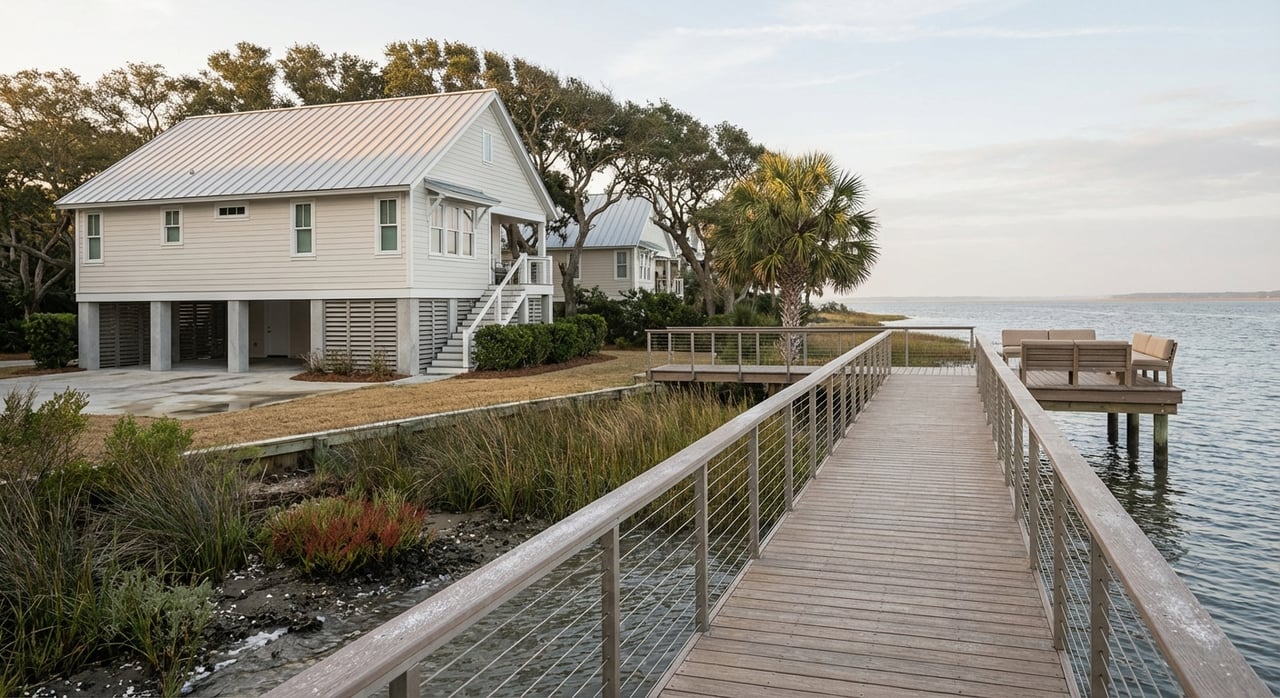
- Boardwalks, piers, and elevated paths let you observe birds at close range without trampling sensitive marsh plants. Move slowly and scan the edges for feeding egrets, herons, and spoonbills. Nearby parks like Goose Island use elevated access for this reason, so take a cue from the state park’s approach.
- Kayaks and flats boats open up the shallows where redfish tail and shorebirds feed. Aransas County offers mapped put‑ins for paddlers. If you are new to local waters, start with sites listed by Aransas Pathways.
- Dawn and dusk are prime. The light is soft, winds often drop, and wildlife is more active. Bring binoculars, keep voices low, and enjoy the quiet.
Living well with wildlife: simple house rules
Smart viewing etiquette
- Stay on designated paths and boardwalks, and obey all posted signs.
- Keep a respectful distance. Use binoculars or a scope for closer views.
- Never feed wildlife. Human food changes behavior and can cause harm.
- Move slowly and speak softly to reduce disturbance, especially near rookeries and feeding flocks.
- For sensitive species like whooping cranes, follow refuge guidance and maintain extra distance. Visit the Aransas National Wildlife Refuge page for current visitor rules.
Night lighting that helps migrants
Coastal communities can be safe migration corridors with a few easy lighting choices, especially during spring and fall peaks.
- Turn off nonessential outdoor lights at night during peak migration windows.
- Use shielded, downward‑directed fixtures and warm LEDs at 3000 K or below.
- Add motion sensors or timers to essential lights.
- Close blinds or drapes at night to reduce interior glow.
- Learn more with BirdCast’s Lights Out resources for communities at BirdCast and see research‑backed guidance from the American Bird Conservancy.
Shoreline‑friendly choices
When shoreline work is needed, living shorelines and hybrid designs can reduce erosion while supporting fish and bird habitat. These approaches use elements like oyster‑reef structures, vegetated marsh edges, coir logs, and low sills where site conditions allow. They also require permits and engineering. If you want the big‑picture science behind this, NOAA provides a useful primer on living shoreline guidance.
Landscaping, pets, and pests
- Choose native coastal plants to support pollinators and migrating songbirds.
- Keep cats indoors or in a supervised enclosure, and leash dogs in natural areas.
- Limit pesticide use and manage runoff to protect marsh and bay health.
- Rinse fishing gear and boats away from marsh edges to reduce pollutants.
Boats and refuge rules
- Follow posted speed limits and keep distance from rookeries and large feeding flocks.
- Some areas in parks or the refuge may be closed to entry. Respect all closures.
- For the closest and least disruptive whooping crane viewing, book licensed commercial tours and follow captain instructions.
What this means for your lifestyle
Living beside protected marsh and bay waters means your “backyard” changes with the tides and seasons. Some mornings you will see spoonbills sweeping the shallows. Other days the show is underwater as baitfish scatter and redfish push wakes across a flat. In winter, you might glimpse cranes foraging across the broader bay system, while spring and fall deliver surprise songbirds to native shrubs.
These moments are a big part of the Reserve lifestyle in the 78382 Rockport area. They also come with a shared responsibility to keep wildlife safe. Simple choices like staying on paths, minding your lights, and planting natives help protect the very experiences that drew you here.
If you are weighing a move to The Reserve at St. Charles Bay, or want to position a property to appeal to nature‑minded buyers, local expertise matters. Let’s match your wish list with the right waterfront streets, canal access, and viewing vantage points so you can make the most of this coastal setting.
Ready to explore homes or talk strategy for selling? Connect with Shelly Griffin to Request a Valuation or Schedule a Showing.
FAQs
Will I see whooping cranes from my deck at The Reserve?
- Possibly in winter, but sightings are seasonal and not guaranteed. For reliable, close views, observation areas in the refuge or licensed boat tours are usually best.
Are boardwalks and piers safe for wildlife viewing in Rockport?
- Yes. Elevated access reduces trampling of marsh plants. Stay on designated paths, move slowly, and keep noise down to minimize disturbance.
Do nearby protected habitats mean restrictions on my property at The Reserve?
- It depends. Developer materials advertise conservation buffers, but legal restrictions, easements, and HOA rules vary. Review your covenants and deeds, and confirm any questions with the HOA or developer.
When is the best time to plan a bird‑focused visit to Rockport?
- Winter is prime for whooping cranes, spring migration runs March to May, and September is known for hummingbird stopovers. Shorebird movement is strong from late summer into fall.
What simple home steps help migratory birds in Rockport?
- Turn off nonessential exterior lights at night in spring and fall, use shielded warm‑tone fixtures, add motion sensors, and close blinds after dark to reduce glow.