What’s the biggest mistake you can make when selling a Rockport waterfront home? Pricing it like it is just another house in town. On the coast, buyers are not only comparing square footage and finishes. They are also weighing views, boating access, flood and windstorm factors, and even short-term rental setup. If you want to price your home with confidence, you need a strategy built for Rockport’s waterfront market. Let’s dive in.
Why waterfront pricing is different
Rockport sits on the western shore of Aransas Bay and the Gulf of Mexico, and the city openly highlights boating, fishing, and waterfront recreation as part of its identity. Its tourism economy matters too, with local support for leisure travel and visitor activity through the Convention and Visitor Bureau. That means your home may compete not only with primary residences, but also with second homes and lifestyle-driven purchases tied to the coast. You can see that local context on the City of Rockport floodplain information page.
That is one reason broad citywide numbers only tell part of the story. Recent market trackers place Rockport’s median sale or list values in a wide range, while days on market generally stretch from about 98 to 130 days depending on the source. In a market that appears active but selective, pricing too high can cost you early momentum.
Start with micro-location
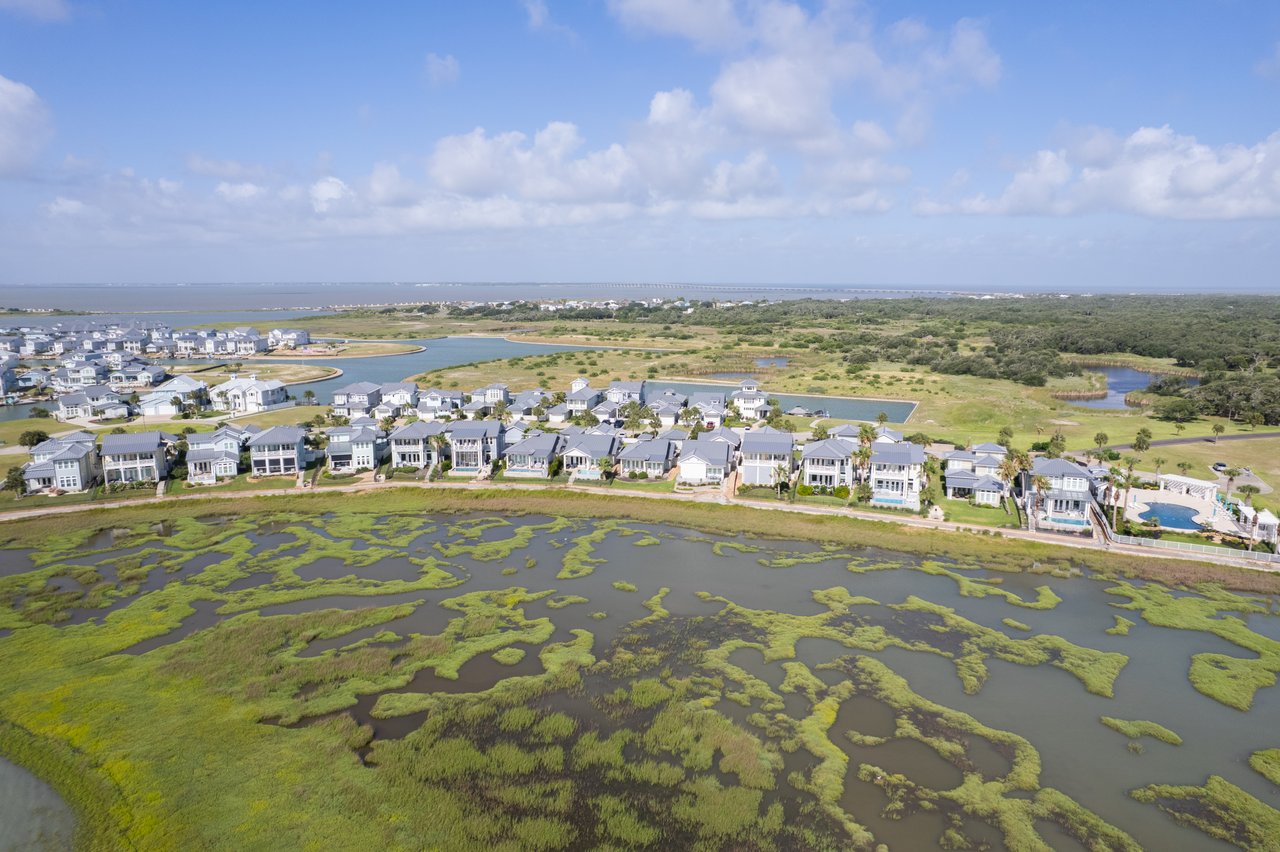
In Rockport, not all waterfront is the same. A bayfront home, a canal-front property, a condo with water views, and a home near the boardwalk may all appeal to different buyers for different reasons. Your pricing strategy should begin with the most similar waterfront setting possible, not the overall Rockport median.
The spread in local pricing supports that approach. Realtor.com market data for Rockport and Aransas County shows major differences even between local areas, with examples like Key Allegro around $660K and Bay House Condominiums around $430K. That gap is a clear sign that waterfront-specific comps matter more than citywide averages.
Rockport’s planning documents also show how location affects value. The city’s Heritage District code identifies protected and recommended water-view corridors, and its Waterfront District encourages active bayfront development and pedestrian-oriented spaces. If your property has a strong sightline, prominent bay exposure, or a setting that protects the view, that can support stronger pricing than a similar home without those advantages, as reflected in the city’s development code documents.
Price the waterfront features buyers actually want
Waterfront buyers usually pay for usability, not just the label. A canal-front home with a functional dock and boat lift may compete very differently from a bayfront home with sweeping views but less boating convenience. In Rockport, buyers often look closely at how the water fits their lifestyle.
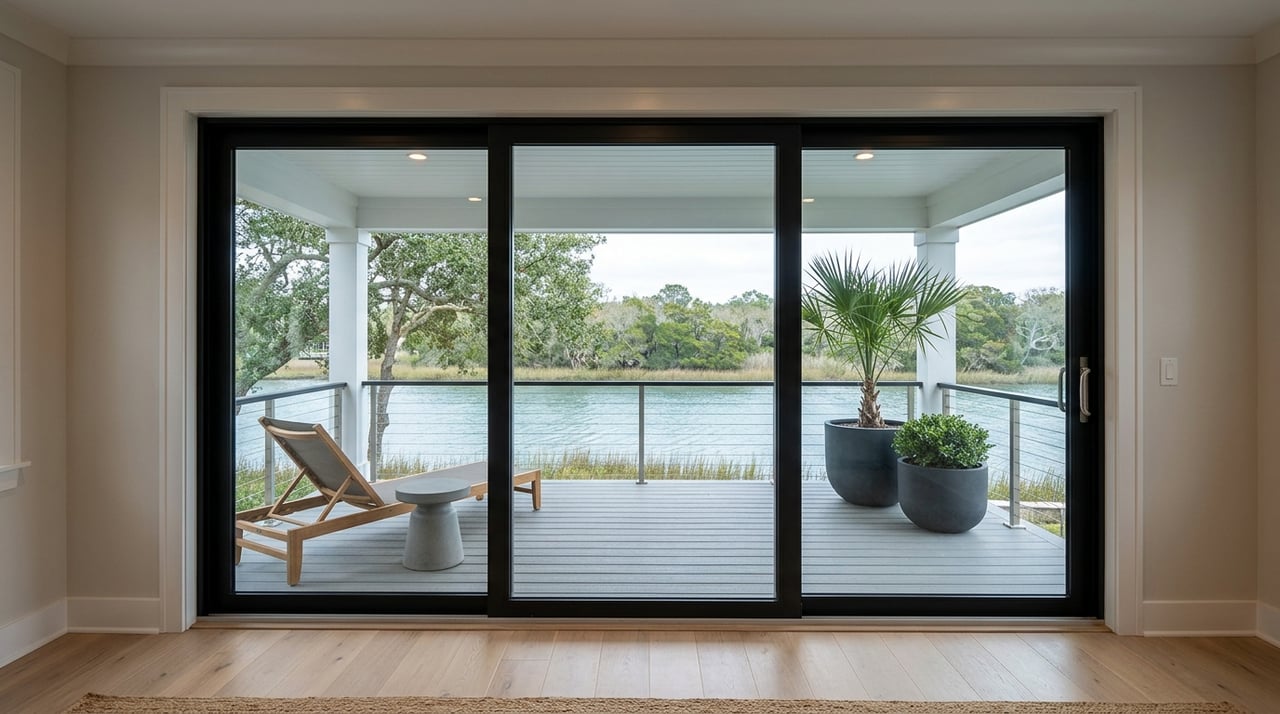
Current listings repeatedly emphasize features like private docks, lifts, direct access to Aransas Bay or Copano Bay, and water-facing porches and decks. That pattern suggests buyers value practical enjoyment of the waterfront as much as the address itself, which is visible in Rockport waterfront and amenity listing trends.
When pricing your property, pay close attention to features like these:
- Open-water views versus canal positioning
- Dock, lift, and seawall condition
- Ease of getting on the water
- Outdoor entertaining space
- Porch, deck, or balcony orientation
- Updated kitchens and baths
- Low-maintenance coastal finishes
- Furnished or turnkey presentation, if applicable
The current Rockport waterfront search landscape also shows how much finish level can influence pricing. Homes with updated interiors, outdoor gathering areas, elevators, and turnkey condition often stand apart from properties that need work, even if the lot itself is strong.
Factor in flood and windstorm realities
In Rockport, buyers know coastal ownership comes with added questions. Flood zone status, elevation, windstorm requirements, and insurance costs can all shape what a buyer is willing to pay. If your pricing ignores those realities, you may invite hesitation during showings, negotiations, or contract periods.
The city is very clear that flood risk is part of owning near the bay. Rockport notes that flood hazards can include storm surge and bay flooding, and that even homes outside mapped flood zones can flood. The city also states that standard homeowners insurance does not cover flood damage and encourages all residents to consider flood insurance, which you can review on the city’s floodplain management page.
Local building rules also matter. According to the Build Responsibly page from the City of Rockport, development in floodplains requires permits, new structures must be built at least 18 inches above the 1% annual chance flood elevation, and some properties may qualify for a 15% flood insurance premium discount because of the city’s Community Rating System Class 7 status. Those details can influence both value and buyer confidence.
Windstorm coverage is another important part of pricing. The Texas Department of Insurance windstorm guidance notes that coastal properties must meet certain building standards for windstorm coverage, and Aransas County falls within the first-tier coastal county area where TWIA may come into play if private coverage is unavailable. A roof in good condition, impact protection, elevation details, and available documentation can help support marketability.
Use flood maps and sub-areas wisely
One Rockport waterfront pocket is not always viewed the same as another. Buyers, insurers, and lenders may weigh risk differently depending on where the property sits. That is why a true pricing strategy should look at both lifestyle appeal and map-based location.
Rockport’s floodplain maps break the area into sub-areas such as Aransas Bay Waterfront, Live Oak Peninsula, and Salt Lake. If your home is in one of these specific waterfront pockets, it makes sense to compare it against nearby homes with similar water exposure, elevation patterns, and buyer appeal. Micro-location is not a small detail in Rockport. It is the pricing framework.
Consider short-term rental value carefully
Some Rockport waterfront homes attract second-home buyers and investors because of the local visitor economy. The city highlights tourism, fishing, sailing, kayaking, and other recreational draws that broaden the appeal of a well-positioned coastal property. You can see that visitor focus through the Rockport-Fulton Convention and Visitor Bureau.
Still, short-term rental value should never be treated as automatic. Rockport regulates STRs through Ordinance 1928, requires registration before operation for new STRs, and applies a 7% hotel occupancy tax to short-term rentals. The city outlines those rules on its short-term rentals page.
If your home is furnished, low-maintenance, guest-friendly, and properly positioned for waterfront enjoyment, that may widen your buyer pool. But the premium should be tied to realistic, compliant appeal, not vague investor buzz. This is especially true in a market where buyers are taking their time and asking careful questions.
Avoid the overpricing trap
Many waterfront sellers assume the coast automatically commands a large premium. Sometimes it does, but only when the property’s location, condition, features, and documentation support it. In a market with significant inventory and longer days on market, buyers have room to compare options.
That means overpricing can hurt more than you might expect. A waterfront home that lingers too long may prompt buyers to wonder what is wrong, even when the issue is simply price. A sharper strategy is to launch with a price that reflects the home’s actual waterfront advantages and current buyer expectations.
What a strong pricing strategy looks like
If you want to price your Rockport waterfront home well, your approach should be both local and practical. It should account for lifestyle value, coastal risk, and real buyer behavior in this market.
A smart pricing process usually includes:
- Selecting comps by waterfront type first
- Adjusting for view quality and water access
- Reviewing dock, lift, seawall, and outdoor-living condition
- Evaluating finish level and turnkey appeal
- Considering floodplain, elevation, and windstorm documentation
- Measuring realistic STR appeal only when compliance and setup support it
- Positioning the home to compete with today’s active inventory
This is where local experience really matters. In a place like Rockport, pricing is not just about the structure. It is about the story your property tells to buyers who want a bay view, a dock, a fishing weekend base, or a second home they can enjoy with less hassle.
When you are ready to price your waterfront home with a strategy built around Rockport’s canals, bays, and buyer expectations, connect with Shelly Griffin. You will get high-touch guidance, local waterfront insight, and a marketing approach designed to position your property for the right buyer.
FAQs
How should you price a Rockport waterfront home?
- You should price a Rockport waterfront home using comparable sales from the same waterfront type, such as bayfront, canal-front, or water-view, then adjust for features like docks, views, outdoor living, condition, and coastal documentation.
Do flood zones affect Rockport waterfront home prices?
- Yes. Flood zone location, elevation, insurance considerations, and permit or compliance factors can affect both buyer confidence and the price a buyer is willing to pay.
Does dock access add value to a Rockport waterfront property?
- In many cases, yes. Buyers often place strong value on usable waterfront features such as docks, lifts, seawalls, and convenient access to Aransas Bay or Copano Bay.
Can short-term rental potential increase a Rockport waterfront home’s value?
- It can, but only when the property is well suited for guest use and complies with local STR registration requirements and tax rules.
Why is pricing by neighborhood important for Rockport waterfront homes?
- Pricing by neighborhood or micro-location matters because waterfront areas in Rockport can differ widely in views, boating convenience, flood mapping, buyer demand, and price range.