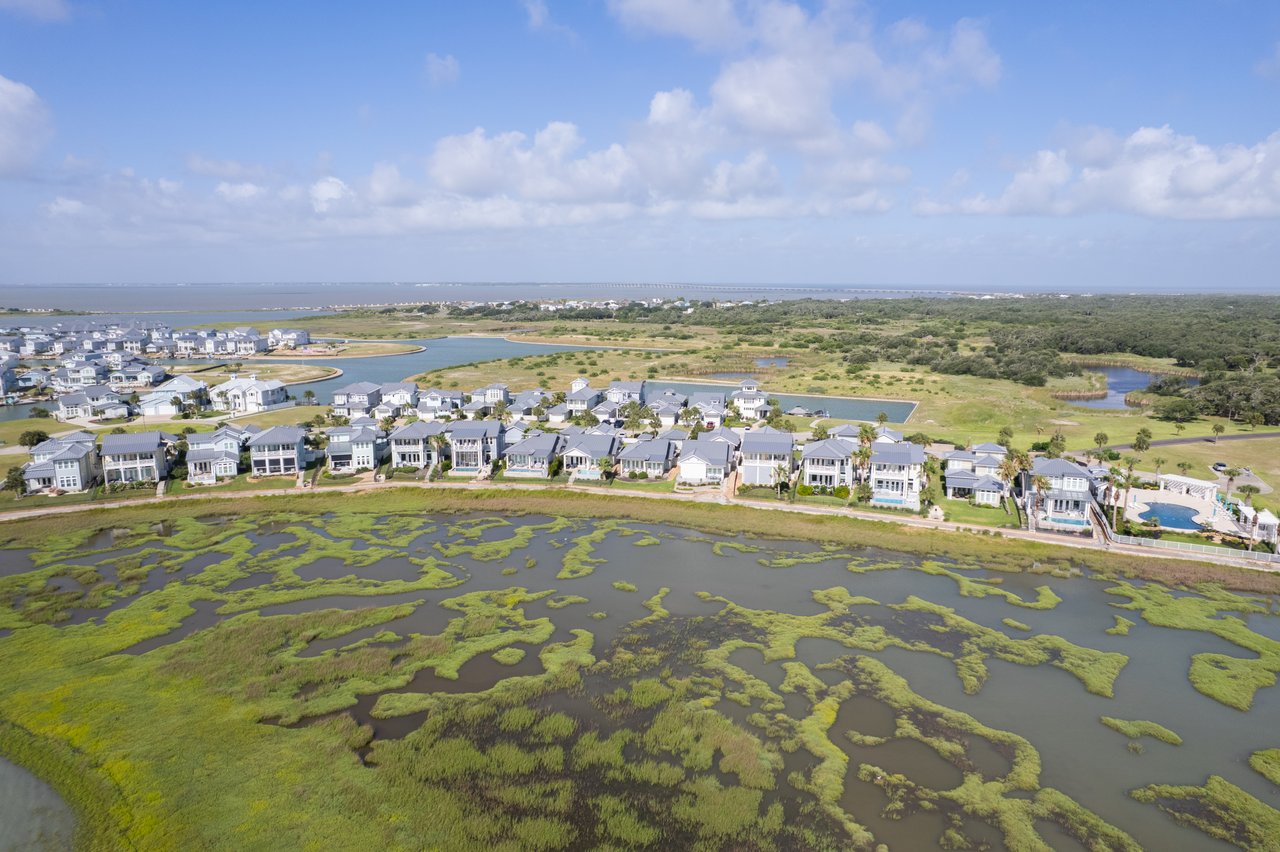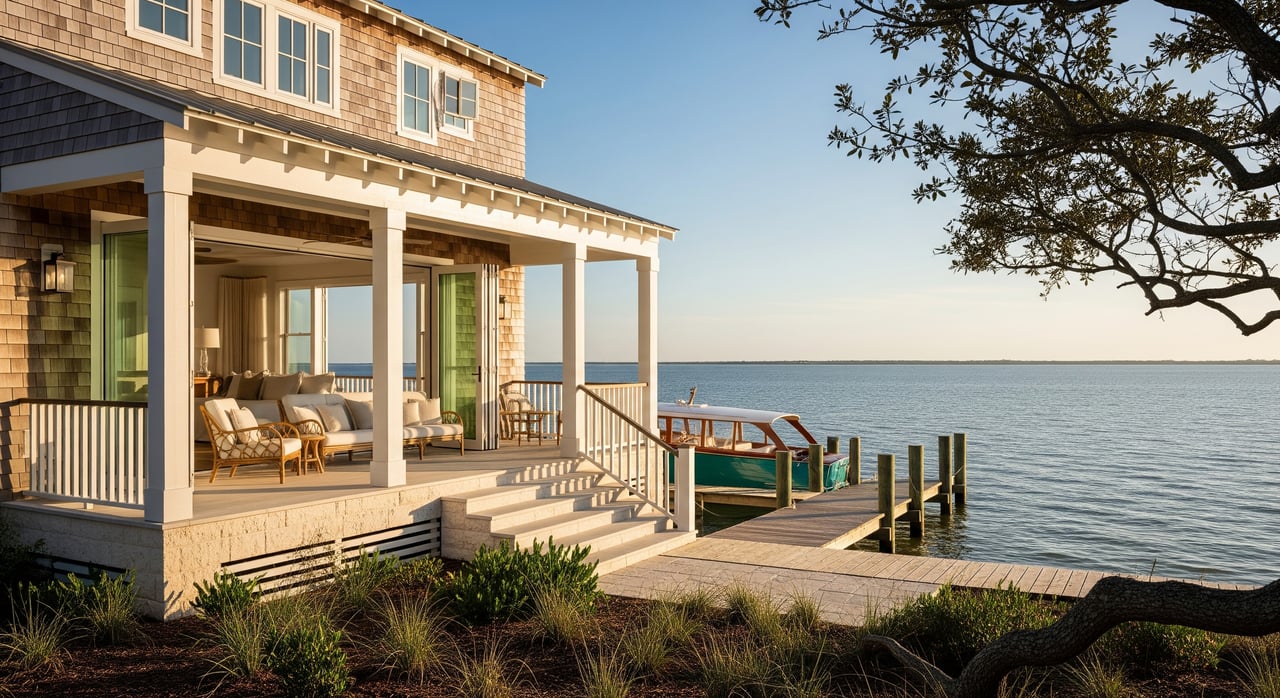
Thinking about a move to the Texas coast? If you want walkable waterfront, fishing before breakfast, and a small-town pace with big personality, Rockport may be a great fit. You likely have questions about neighborhoods, flood and insurance, schools, and day-to-day life. This guide breaks it all down so you can choose the right home and lifestyle with confidence. Let’s dive in.
Why Rockport appeals
Rockport sits on Aransas Bay, offering a laid-back coastal lifestyle centered on boating, birding, and the arts. You get a true harbor town with galleries, marinas, and seasonal festivals. Many residents enjoy quiet weekdays and lively weekends during peak tourism. According to the U.S. Census Bureau QuickFacts, Rockport is a small city, which helps preserve its friendly vibe.
Key neighborhoods at a glance
Rockport’s neighborhoods vary by water access, price point, and home style. Here are the main areas to explore:
Downtown and Harbor (Embarcadero)
- Walkable blocks near restaurants, galleries, and the waterfront.
- Mix of historic cottages and updated coastal homes.
- Great for buyers who want to be close to marinas, fishing piers, and events.
Fulton and Fulton Harbor area
- Often paired with Rockport as “Rockport-Fulton.”
- Marina and bay access with a range of bayfront and near-bay homes.
- Popular with anglers, boaters, and second-home owners.
Bayfront and waterfront subdivisions
- Limited inventory, higher-value properties with bulkheads, docks, and bay views.
- Many homes are elevated and built to updated wind and flood standards.
- Always verify flood zones and shoreline conditions before you buy.
Inland subdivisions and residential streets
- More budget-friendly single-family homes and newer rebuilds.
- Appeal to full-time residents and the local workforce.
- Look for post-storm construction built to current codes.
Rural outskirts and county parcels
- Larger lots, coastal acreage, and ranch-style properties.
- Check utility availability, septic vs. sewer, and county permitting.
- Useful for privacy seekers and those planning accessory structures.
Mobile home and manufactured communities
- An important part of Rockport’s affordable housing mix.
- Useful as a primary residence or coastal retreat at a lower cost.
- Confirm park policies, age restrictions, and wind/flood insurance requirements.
Housing styles and what to expect
You will see a mix of historic cottages, modern elevated homes, post-Harvey rebuilds, and manufactured housing. Many newer builds feature higher wind ratings and elevated living areas. Waterfront and downtown properties often attract second-home buyers and retirees. Inland areas tend to draw year-round residents and families. If you plan to rent to vacationers, confirm any short-term rental rules or HOA restrictions before you buy.
Flood, wind, and insurance essentials
Rockport’s beauty comes with coastal risk. Smart due diligence protects your budget and your peace of mind.
- Flood zones: Review your address on the FEMA Flood Map Service Center and request an elevation certificate when possible.
- Hurricanes: Learn local risk patterns and track storms with the National Hurricane Center.
- Insurance: Many coastal homes need homeowner’s insurance plus separate flood coverage. Windstorm coverage may also be required. Compare policies using Texas Department of Insurance guidance and the Texas Windstorm Insurance Association.
- Building codes: New builds and substantial remodels often require elevation and wind-resistant features. Confirm current rules with city or county building departments.
Cost, taxes, and STR considerations
Texas has no state income tax, so property taxes are a key ongoing cost. Ask the Aransas County Appraisal District about homestead and over-65 exemptions. If you are buying in an HOA, review covenants, fees, and any architectural controls before you make an offer. Planning to operate a short-term rental? Check city ordinances and HOA rules to ensure you can comply with permits, occupancy limits, and parking standards.
Lifestyle and amenities
Rockport offers year-round coastal fun.
- On the water: Boating, bay fishing, kayaking, and charters are part of daily life. Public ramps and marinas make access easy.
- Beaches and nature: Coastal parks and nearby wildlife refuges draw birders and nature lovers, especially during migratory seasons.
- Arts and events: Galleries, markets, and festivals bring the community together. The Rockport-Fulton Chamber of Commerce events calendar is a good place to start.
- Shopping and services: Daily essentials are available locally. For big-box retail and specialized shopping, many residents head to Corpus Christi.
Schools and education
Rockport’s K–12 schools serve local families with neighborhood campuses. For the most current district details and accountability ratings, visit the Texas Education Agency. Nearby higher education, including community colleges and universities, is concentrated in the Corpus Christi area.
Healthcare access
You will find primary and urgent care providers in and around Rockport for everyday needs. For specialized care and hospital services, many residents use facilities in Corpus Christi. If medical access is a priority, plan your drive times and provider network before you commit to a neighborhood.
Getting around and commute
Texas State Highway 35 connects Rockport to the region. Drive times to Corpus Christi are typically under an hour, but they vary by address and traffic. Public transit is limited, so most households rely on cars. For air travel, residents commonly use Corpus Christi International Airport.
Work and the local economy
Tourism, hospitality, marinas, fishing services, construction, healthcare, education, and small businesses power the local economy. Some residents commute to Corpus Christi for specialized roles in healthcare, higher education, energy, or port-related jobs. If you work remotely, confirm internet options in your chosen neighborhood before making an offer.
Utilities and connectivity
Before you buy, confirm electric service provider, water and sewer connections, and garbage pickup schedules for your address. In rural areas, you may find septic systems rather than municipal sewer. Broadband varies by street, especially outside town centers. If you need high-speed service for work, contact providers early and verify speeds at the property.
Permits, docks, and building rules
Coastal properties often require extra permitting for major renovations, docks, bulkheads, and seawalls. Setbacks, height limits, and marine structure rules can affect your design and budget. Ask the city or county building department about permits, inspections, and timelines. If a property sits in a flood zone, elevation and engineering requirements may apply.
Moving checklist for Rockport
Use this quick list to make your move smoother.
Pre-purchase due diligence
- Check FEMA flood maps and obtain an elevation certificate if available.
- Get quotes for homeowner, flood, and windstorm coverage.
- Order a full home inspection, including roof, structure, HVAC, plumbing, and any septic system.
- Confirm water, sewer or septic, HOA rules, and any STR policies.
After closing and before move-in
- Set up utilities and trash service; note any hurricane-season procedures.
- Register vehicles and update your driver’s license with the Texas DPS.
- Enroll children through the local school district’s enrollment process.
- Locate nearby pharmacies, urgent care, and emergency rooms.
Coastal preparedness
- Plan for shutters or impact windows, roof tie-downs, and a generator if needed.
- Keep copies of critical documents and insurance policies in secure digital and physical locations.
- Review evacuation routes with your household and keep go-bags ready during hurricane season.
Local resources
These sources help you verify details and plan with confidence.
- FEMA Flood Map Service Center: Flood zones and elevation details.
- National Hurricane Center: Storm tracking and preparedness.
- Texas Department of Insurance: Coastal insurance guidance and consumer help.
- Texas Windstorm Insurance Association: Windstorm coverage information.
- Texas Education Agency: District boundaries and accountability ratings.
- Rockport-Fulton Chamber of Commerce: Events, business directory, and community info.
- U.S. Census Bureau QuickFacts: Demographics for Rockport and Aransas County.
Ready to explore homes on the water, near the harbor, or in quiet inland streets? Get local guidance on flood, wind, STR rules, and lifestyle fit. Reach out to Shelly Griffin for a personal game plan and curated property list.
FAQs
Is Rockport a good place to retire on the Texas coast?
- Many retirees love Rockport’s waterfront lifestyle and small-town feel, but you should weigh hurricane risk, insurance costs, and access to specialized healthcare in Corpus Christi.
Do I need flood insurance for a Rockport home?
- If your property is in a Special Flood Hazard Area or your lender requires it, yes; even outside SFHAs, flood insurance can be a smart choice—start with the FEMA Flood Map Service Center.
How are short-term rentals handled in Rockport neighborhoods?
- Rules vary by city ordinance and HOA; check both before you buy to confirm permitting, occupancy, and parking standards for STRs.
What should I know about windstorm coverage near the bay?
- Many coastal properties need separate windstorm insurance; compare options through local agents, Texas Department of Insurance, and the Texas Windstorm Insurance Association.
How long is the commute from Rockport to Corpus Christi?
- Drive times are typically under an hour depending on your exact address and traffic; use mapping tools from the property to your workplace for a precise estimate.