Thinking about buying a vacation rental in Rockport? It can be a smart way to enjoy the coast while creating income potential, but this market has a few rules and realities you need to understand before you close. If you want a property that fits how visitors actually use Rockport and one that you can operate with fewer surprises, this guide will help you focus on the right details. Let’s dive in.
Why Rockport draws vacation renters
Rockport is not just a summer beach market. According to the City of Rockport, the area benefits from year-round activity tied to beaches, fishing, birding, arts, dining, and events, and the population increases from November through March with Winter Texans.
That matters if you are buying with rental use in mind. A market with multiple demand drivers can support a broader booking calendar than a destination that depends on one peak season alone.
Official tourism resources also point to major visitor draws like Rockport Beach, Cove Harbor, Fulton Harbor, Rockport Harbor, and shoreline access along the peninsula and bay corridors. In practical terms, many guests come here for beach time, fishing weekends, boating access, birding trips, and small-group coastal getaways.
Know Rockport's booking seasons
One of the biggest mistakes buyers make is assuming every Rockport rental will perform the same way all year. In reality, demand often shifts based on what your property is designed to support.
The city’s event calendar stretches across much of the year, with recurring events in February, April, May, July, September, October, November, and December, including festivals, art events, and holiday programming, according to Rockport Today. That gives the market more than one travel window.
Birding also plays a major role in shoulder season and winter demand. The official Rockport-Fulton birding guide highlights spring migration, summer nesting activity, fall hummingbird and raptor activity, and winter waterfowl and whooping crane viewing from November through March.
Fishing adds another layer of demand. The area’s official shoreline and pier fishing information says fishing is available year-round, with spring, summer, and especially fall standing out as key seasons.
For you as a buyer, the takeaway is simple: match the home to the likely guest. A beach-access home may shine in summer, a canal or bay-access property may appeal strongly during fishing seasons, and a comfortable event-friendly or birding-oriented property may stay relevant well beyond peak beach months.
Compare locations by use, not just price
In Rockport, location is about more than the map pin. You should think about how guests will use the property, how easily they can reach the water, and what tradeoffs come with that setting.
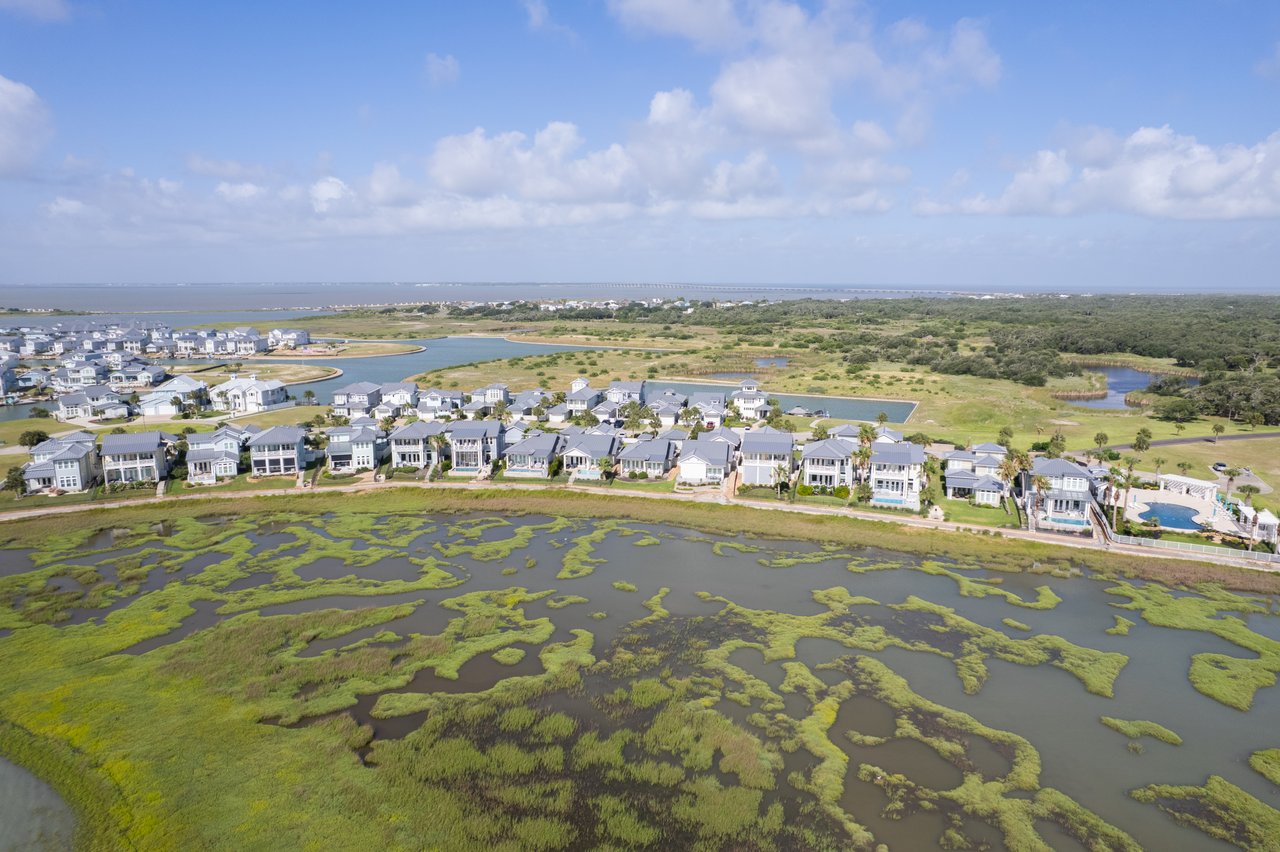
Official city materials reference waterfront areas and subdivisions such as Key Allegro, Little Bay Shores, Fulton Beach and Fulton Harbor, Cove Harbor, and the broader Live Oak Peninsula and Copano Bay corridor in terms of canals, bay views, bridges, and shoreline convenience. Those same traits can improve vacation appeal while also raising important questions about flood exposure, storm planning, and ongoing maintenance.
If your goal is short-term rental performance, ask yourself a few practical questions:
- Is the home convenient for beach trips, fishing, boating, or birding?
- Is there easy parking for guests and trailers if relevant?
- Does the property offer usable outdoor space?
- Will guests understand the value of the location right away?
- Are access, drainage, and storm exposure acceptable for your comfort level?
This is where local guidance matters. In a coastal market, two homes with similar square footage can offer very different ownership experiences depending on water access, elevation, layout, and how easy they are to maintain.
Check STR rules before closing
If a home has been used as a vacation rental before, do not assume you can simply take over and keep operating. Rockport’s short-term rental rules require buyers to complete their own compliance review.
The city states on its Short-Term Rentals page that new short-term rentals must be registered before operating. The permit is not transferable to a new owner, and a buyer must apply within 60 days of closing. The city also charges a $150 initial registration fee and requires a live inspection every two years.
That is one of the most important details in this entire process. Even if the seller has a history of renting the property, your approval and timeline matter, not theirs.
You should also know that the city requires the permit number to appear in advertising. Under the city code, operators must post house rules and safety information inside the home, including the permit number, operator contact, local contact person, parking information, occupancy limit, trash instructions, emergency information, and a guest compliance notice, as outlined in the Rockport STR ordinance requirements.
Understand taxes and operating costs
Short-term rental ownership is not just about the purchase price. You also need to understand the tax and compliance side of the operation.
The Texas Comptroller says the state hotel occupancy tax rate is 6 percent and that short-term rentals generally involve stays of 29 days or less. Rockport also imposes a city hotel occupancy tax of 7 percent, and the city explains that this revenue supports tourism-related uses.
Because Aransas County also maintains hotel occupancy tax information and payment forms, it is smart to verify whether any county-level filing applies to the specific property you are considering. Before you buy, make sure you understand what filings, remittance responsibilities, and recordkeeping may be required for that parcel.
Take flood and storm risk seriously
In Rockport, coastal due diligence is not optional. It is part of buying wisely.
The city’s Floodplain Information and Management page says Rockport faces risk from flooding, storm tide, storm surge, and hurricanes. The city also notes that some flood-prone areas are not fully mapped and that even properties outside the FEMA Special Flood Hazard Area can still flood.
The same city guidance makes another point that buyers should not ignore: everyone in Rockport should have flood insurance because standard homeowner policies do not cover flood damage. That is a major budget item to investigate early, especially if you are comparing waterfront or canal-front homes.
Rockport’s evacuation information also shows how storm planning affects vacation-rental ownership. Tourists and vacationers are included in early evacuation phases, and people along waterfronts, canals, or low-lying areas can be included in mandatory evacuation orders.
For you, this means looking beyond finishes and nightly-rate potential. You should evaluate insurance availability, flood history disclosures, elevation, drainage, route access, and how you would communicate weather procedures to guests.
Use official flood resources
Before you close, gather as much flood-related property information as possible. Rockport provides tools that can help you make a more informed decision.
According to the city’s Public Information and Flood Assistance page, buyers can request flood-risk information, flood zone data, elevation certificates, and floodplain maps from the Building and Development office. The city also points buyers to FEMA’s official Flood Map Service Center as the public source for flood hazard maps.
This is one of the smartest steps you can take during due diligence. A property can look perfect online and still come with insurance or access issues that change the numbers quickly.
Choose features guests will actually use
A pretty house is nice, but a practical coastal house often wins repeat bookings. In Rockport, guest expectations are shaped by how people spend their time here.
Official tourism information for Rockport Beach highlights swimming, birdwatching, shaded areas, showers, playgrounds, pavilions, restaurants, and shops. The broader tourism mix also reflects strong interest in fishing, boating, and easy shoreline access.
That means many buyers should prioritize features like:
- Easy, visible parking
- Durable outdoor living areas
- Quick access to water, piers, or boat launches
- Rinse-off areas after the beach
- Layouts that work for small groups or families traveling together
- Clear space for gear, coolers, and fishing equipment
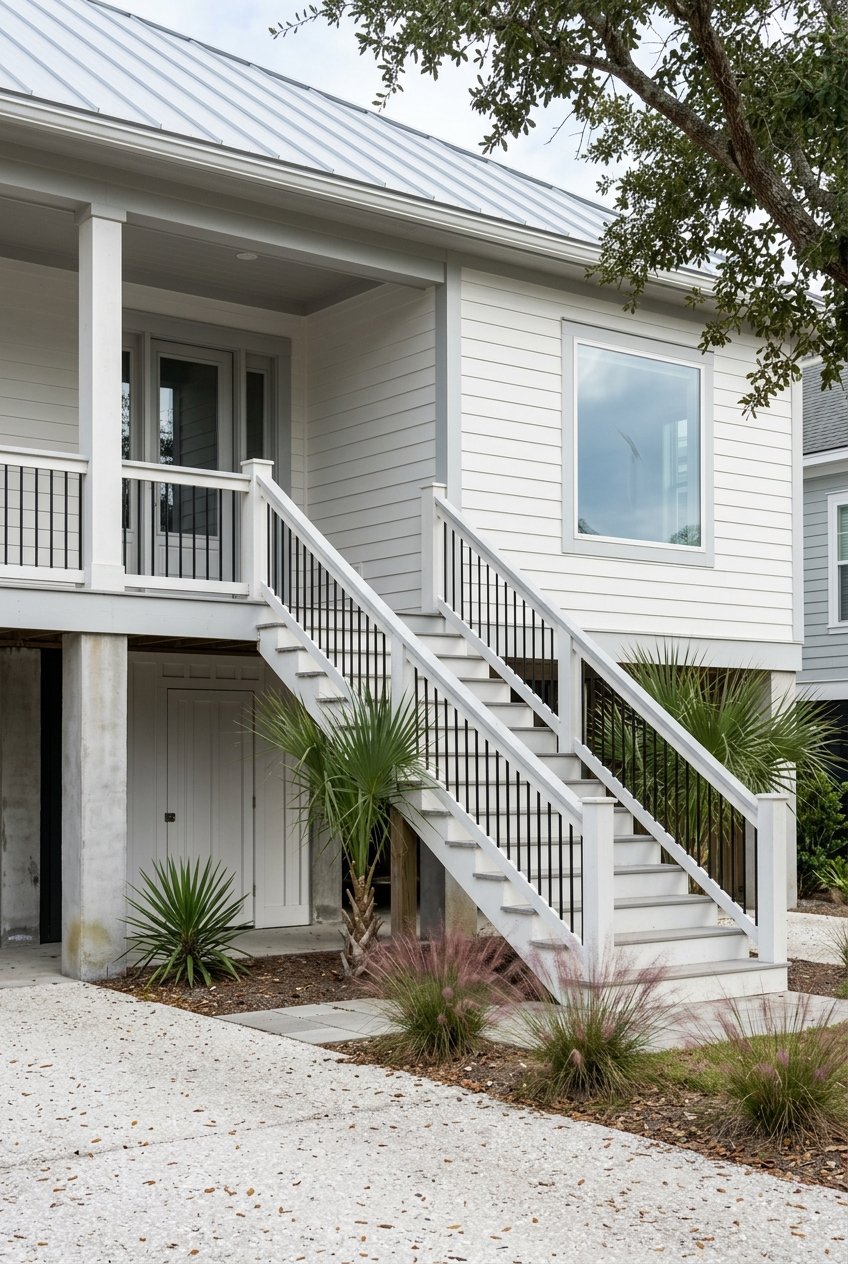
- Low-maintenance materials that hold up in a coastal environment
The city’s STR operating rules also reinforce the value of clear parking, trash, occupancy, and safety instructions for guests. In other words, the best vacation-rental homes in Rockport are often the ones that feel easy to use, easy to maintain, and easy to understand.
Think like an owner and a guest
When you tour a property, try to see it from both sides. As an owner, you are evaluating compliance, maintenance, insurance, and durability. As a guest, you are asking whether the stay feels simple, comfortable, and well-matched to a Rockport trip.
That shift in mindset can help you avoid overpaying for cosmetic upgrades that do not improve the guest experience. It can also help you spot value in a home with strong access, good outdoor function, and a layout that fits beach, bay, and event travel patterns.
Buy with a local strategy
A vacation rental in Rockport can be a great fit if you buy with clear eyes. The strongest purchase is usually not the one with the flashiest finishes. It is the one with the right location, realistic seasonality, manageable risk, and a setup that matches how visitors actually enjoy the coast.
If you want help evaluating canal-front homes, bay-view properties, condos, or second-home investments in Rockport, working with a local advisor can save you time and help you ask better questions before you close. When you’re ready to explore your options, connect with Shelly Griffin for high-touch guidance rooted in Rockport’s waterfront market and short-term rental landscape.
FAQs
What should buyers know about Rockport short-term rental permits?
- Rockport requires new short-term rentals to be registered before operating, the permit does not transfer to a new owner, and buyers must apply within 60 days of closing.
What taxes apply to a vacation rental in Rockport?
- Short-term rentals are generally subject to the 6 percent Texas hotel occupancy tax, Rockport’s 7 percent city hotel occupancy tax, and buyers should also verify whether any county-level filing applies to the specific parcel.
What flood risks matter when buying a Rockport vacation rental?
- The City of Rockport says properties can face flood, storm tide, storm surge, and hurricane risk, and even homes outside certain mapped flood areas may still flood.
What types of Rockport homes fit vacation renters best?
- Homes that support beach trips, fishing, boating, birding, and small-group coastal stays often align best with visitor demand, especially when they also offer easy parking, durable outdoor space, and practical layouts.
What seasons are strongest for vacation rentals in Rockport?
- Rockport has year-round demand drivers, with summer beach travel, warm-month and fall fishing activity, winter birding and Winter Texan demand, and events spread throughout much of the year.